Why Try Peptide Therapy for Wellness?
Peptide therapy in Dubai is becoming a widely discussed option for people looking to support overall wellness, energy balance, and healthy aging. As more individuals explore modern approaches to health optimization, this method is gaining attention for its potential role in improving how the body functions naturally. It is often considered by those who want to enhance vitality without relying on overly aggressive interventions.
Understanding Peptide Therapy for Wellness
Peptides are short chains of amino acids that act as signaling molecules in the body. They help regulate various biological processes, including hormone activity, immune response, and tissue repair. Because of this, peptide-based approaches are increasingly used in wellness-focused routines. Rather than forcing changes, they aim to support the body’s own communication systems.In recent years, interest has grown because peptides are being studied for their ability to encourage balance at a cellular level. This includes supporting metabolic health, improving recovery, and promoting better sleep quality. Additionally, many wellness enthusiasts appreciate that peptides work in harmony with natural processes rather than replacing them entirely.
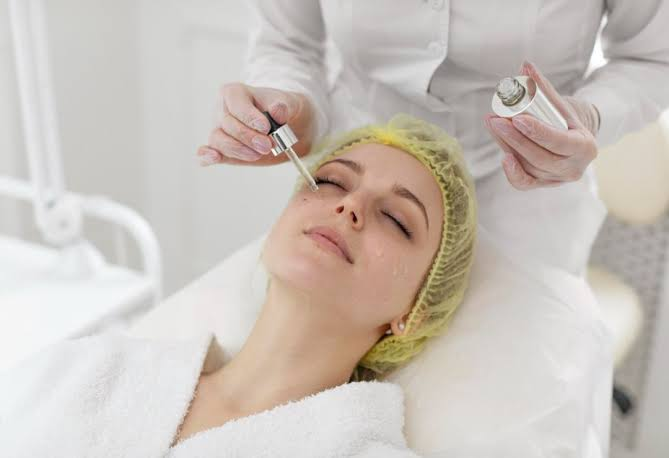
Why Peptides Are Gaining Attention in Modern Wellness
One of the main reasons peptides are becoming popular is their versatility. Different types of peptides may support different wellness goals, making them adaptable for a variety of individuals. Moreover, they are often integrated into broader lifestyle strategies that include nutrition, exercise, and stress management.Another important factor is their potential to support age-related changes. As the body ages, natural peptide production can decline, which may affect energy levels, skin elasticity, and recovery speed. By supporting these pathways, peptide-based wellness strategies may help individuals maintain a more balanced internal environment.
How the Body Responds to Peptide Support
When introduced into a wellness routine, peptides interact with specific receptors in the body, helping to trigger targeted biological responses. These responses may include improved cellular repair, enhanced metabolic function, and better regulation of certain hormones. Over time, this can contribute to a more stable sense of physical well-being.Peptide therapy treatment is often discussed in this context as a structured way of introducing these supportive compounds into the body. It is typically considered by individuals who are looking to enhance recovery, improve energy regulation, and support long-term wellness goals. The approach is not about quick fixes but rather about gradual, consistent support for natural body functions.Because of its targeted nature, many people explore peptides as part of a broader wellness strategy rather than a standalone solution. This may include combining it with healthy sleep patterns, balanced nutrition, and regular physical activity for more noticeable results over time.
Potential Wellness Benefits of Peptide-Based Approaches
Peptides are associated with a wide range of potential wellness-supporting effects. While individual responses may vary, many people are drawn to their possible role in enhancing both physical and mental well-being.Some commonly discussed benefits include:
- Support for muscle recovery after physical activity
- Improved energy regulation throughout the day
- Assistance with sleep quality and relaxation cycles
- Support for healthy skin appearance and elasticity
- Contribution to metabolic balance and body composition goals
In addition, peptides are often explored by individuals who experience fatigue or slower recovery due to age or demanding lifestyles. Their role in cellular communication makes them an interesting option for those seeking a more comprehensive approach to wellness.
Integrating Peptides into a Lifestyle Routine
For best results, peptide-based approaches are typically combined with healthy lifestyle habits. This is because the body responds more effectively when multiple systems are supported at once. As a result, individuals often pair peptide use with structured routines that prioritize consistency and balance.For example, regular exercise can enhance the body’s responsiveness, while proper nutrition provides the building blocks needed for recovery and repair. Stress management techniques such as mindfulness or breathing exercises may also complement peptide-related wellness strategies.Over time, this combination can contribute to a more stable and energized daily experience. Rather than acting as a single solution, peptides are often viewed as one part of a broader wellness ecosystem.
A Modern Approach to Long-Term Well-Being
As interest in preventative health continues to grow, peptides are being recognized as part of a shift toward more personalized wellness strategies. Instead of focusing only on treating issues after they arise, many individuals are now prioritizing methods that help maintain balance before problems develop.This proactive approach reflects a broader trend in modern wellness, where people seek sustainable ways to support their energy, appearance, and overall quality of life. Peptides fit into this mindset by offering a targeted yet natural-supportive option for those looking to optimize how their body functions.In conclusion, peptide-based wellness strategies continue to gain attention for their potential role in supporting vitality, recovery, and balance. Clinics such as Dynamic Clinic often reflect this growing interest by offering access to advanced wellness solutions designed to align with individual health goals.