Who Needs Laparoscopic Surgery Most?
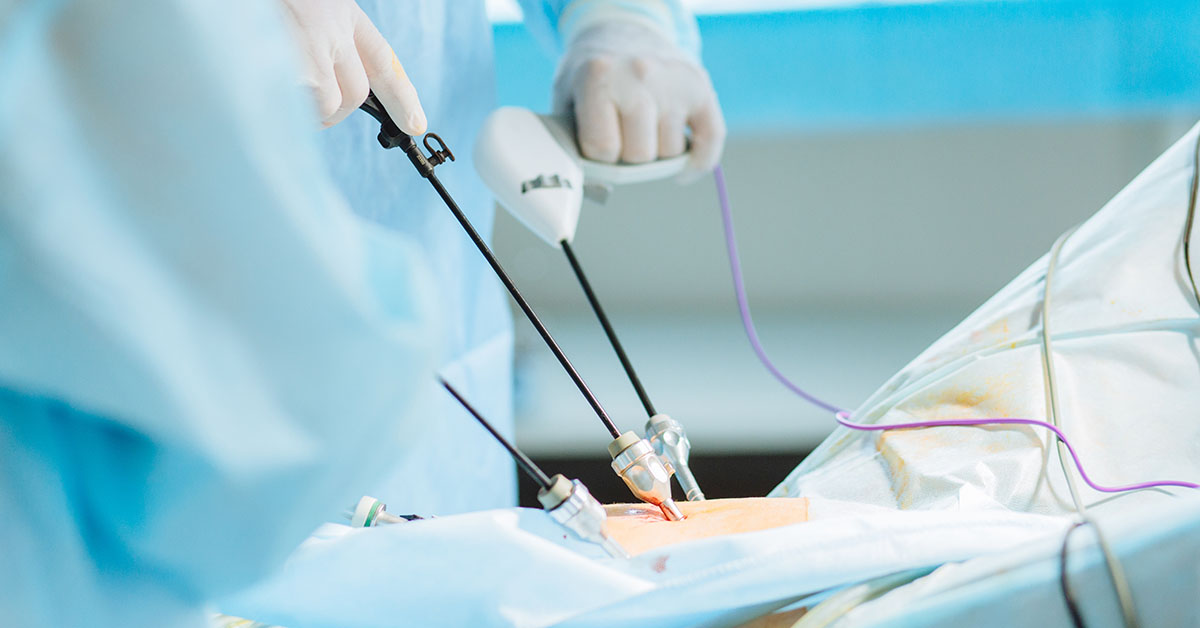
Laparoscopic surgery has become one of the most significant advancements in modern surgical care. Often described as “keyhole surgery,” it allows surgeons to perform complex procedures through very small incisions using a camera and specialized instruments. This minimally invasive approach has transformed recovery experiences and outcomes for many patients worldwide. In growing medical hubs such as Laparoscopic Surgery in Dubai, it is now widely used across multiple specialties due to its precision, safety, and faster recovery profile.But not everyone needs laparoscopic surgery. Understanding who benefits most from this technique helps patients make informed healthcare decisions and recognize when it may be recommended over traditional open surgery.
Understanding Laparoscopic Surgery
Laparoscopic surgery involves inserting a thin tube with a high-resolution camera (laparoscope) into the body through small cuts. This camera projects real-time images onto a monitor, allowing the surgeon to operate with enhanced visibility and accuracy.Compared to open surgery, it generally results in:
- Smaller incisions
- Less post-operative pain
- Reduced blood loss
- Faster recovery times
- Lower risk of infection
- Minimal scarring
Because of these advantages, it is increasingly preferred for both diagnostic and therapeutic procedures.
Patients with Gallbladder Disorders
One of the most common groups who need laparoscopic surgery includes individuals with gallbladder problems, especially gallstones.Patients may require surgery if they experience:
- Frequent abdominal pain after meals
- Nausea and vomiting
- Inflammation of the gallbladder (cholecystitis)
- Blockage of bile ducts
For these cases, laparoscopic gallbladder removal (cholecystectomy) is often the standard approach. It allows patients to return to normal routines much sooner compared to traditional surgery.
People with Appendicitis
Appendicitis is another urgent condition where laparoscopic surgery is commonly used. When the appendix becomes inflamed or infected, removal is usually necessary.Laparoscopic appendectomy is especially beneficial because:
- It confirms diagnosis more accurately
- It minimizes post-surgical discomfort
- It reduces hospital stay duration
- It supports quicker return to daily activities
For both adults and children, this method is now widely preferred in many healthcare systems, including advanced centers offering Laparoscopic Surgery in Dubai.
Individuals with Hernias
Hernias occur when internal organs push through weak spots in the abdominal wall. Common types include inguinal, umbilical, and incisional hernias.Laparoscopic repair is often recommended for:
- Recurrent hernias
- Bilateral (both sides) hernias
- Patients needing faster recovery due to work or lifestyle demands
Benefits include reduced post-operative pain and a lower risk of wound complications. Patients are often able to resume light activities much earlier than with open repair methods.
Patients with Gynecological Conditions
Women with certain reproductive system disorders may benefit significantly from laparoscopic surgery. It is commonly used for both diagnosis and treatment.Conditions that may require it include:
- Ovarian cysts
- Endometriosis
- Uterine fibroids
- Ectopic pregnancy
- Pelvic adhesions
Because of its minimally invasive nature, laparoscopic surgery helps preserve reproductive health and reduces recovery time, which is particularly important for women planning future pregnancies.
People with Obesity-Related Conditions
Laparoscopic surgery is widely used in bariatric procedures for individuals dealing with severe obesity and related health complications.It may be considered for patients who:
- Struggle with weight-related conditions such as diabetes or hypertension
- Have difficulty achieving long-term weight management through lifestyle changes alone
- Are at risk of obesity-related complications affecting the heart or joints
In these cases, laparoscopic approaches allow surgeons to perform complex procedures with lower surgical trauma and improved recovery outcomes.
Patients with Gastrointestinal Disorders
Several digestive system conditions may require laparoscopic intervention, including:
- Acid reflux requiring surgical correction
- Intestinal blockages
- Crohn’s disease complications
- Colorectal conditions requiring partial removal of the intestine
Laparoscopic procedures help reduce hospital recovery time and allow patients to return to a more comfortable digestive function sooner.
Individuals Requiring Diagnostic Exploration
In some cases, doctors recommend laparoscopy for diagnosis when imaging tests are inconclusive. This is called diagnostic laparoscopy.It may be needed for:
- Chronic abdominal pain with unknown cause
- Internal bleeding investigation
- Suspected tumors or infections
- Fertility evaluations in women
This method allows direct visualization of internal organs, making it more accurate than many non-invasive tests.
Who May Not Be Suitable?
While laparoscopic surgery is highly beneficial, it may not be suitable for everyone. Certain conditions may require traditional open surgery, such as:
- Severe internal scarring from previous surgeries
- Complex or large tumors
- Emergency situations with uncontrolled bleeding
- Patients with certain unstable medical conditions
A thorough medical evaluation is always required before deciding the surgical approach.
Why Laparoscopic Surgery Is Increasingly Preferred
The global shift toward minimally invasive procedures reflects a growing demand for safer and more efficient treatment options. In advanced healthcare destinations like Laparoscopic Surgery in Dubai, hospitals increasingly rely on laparoscopic techniques due to:
- Improved surgical precision
- Enhanced patient comfort
- Faster hospital discharge
- Better cosmetic outcomes
- Reduced complication risks
These advantages make it a preferred choice for both patients and healthcare professionals.
Conclusion
Laparoscopic surgery is a revolutionary approach that benefits a wide range of patients, particularly those with gallbladder disorders, appendicitis, hernias, gynecological conditions, obesity-related issues, and certain gastrointestinal diseases. It also plays an important role in diagnostic medicine when symptoms are unclear.However, the suitability of laparoscopic surgery depends on individual health conditions and medical evaluation. As awareness grows and technology advances, more patients are likely to benefit from minimally invasive techniques, especially in advanced healthcare environments such as those offering Laparoscopic Surgery in Dubai.By understanding who needs laparoscopic surgery most, patients can make more informed decisions and seek timely treatment that leads to better recovery and long-term health outcomes.