What Reverses Diabetes Fast?
Diabetes has become one of the most widespread metabolic conditions globally, affecting millions of people across different age groups. While it is often considered a lifelong disease, growing evidence suggests that type 2 diabetes can be significantly improved—and in some cases, reversed—through targeted lifestyle and medical interventions. The idea of reversing diabetes quickly is not about a “magic cure,” but rather about restoring the body’s natural ability to regulate blood sugar effectively.This article explores what “reversing diabetes fast” really means, the most effective strategies involved, and how a Metabolic Surgeon in Dubai fits into the broader picture of advanced diabetes management.
Understanding Diabetes Reversal
Diabetes reversal typically refers to achieving and maintaining normal blood glucose levels without the need for ongoing medication. For type 2 diabetes, this is often possible when the underlying causes—such as insulin resistance, excess body fat, and poor metabolic health—are addressed.It is important to note that reversal does not mean the disease is permanently gone. Instead, it indicates that the condition is in remission and can return if unhealthy habits resume.
Key Factors That Drive Diabetes
Before discussing reversal strategies, it’s essential to understand what contributes to diabetes:
- Insulin resistance: Cells stop responding effectively to insulin.
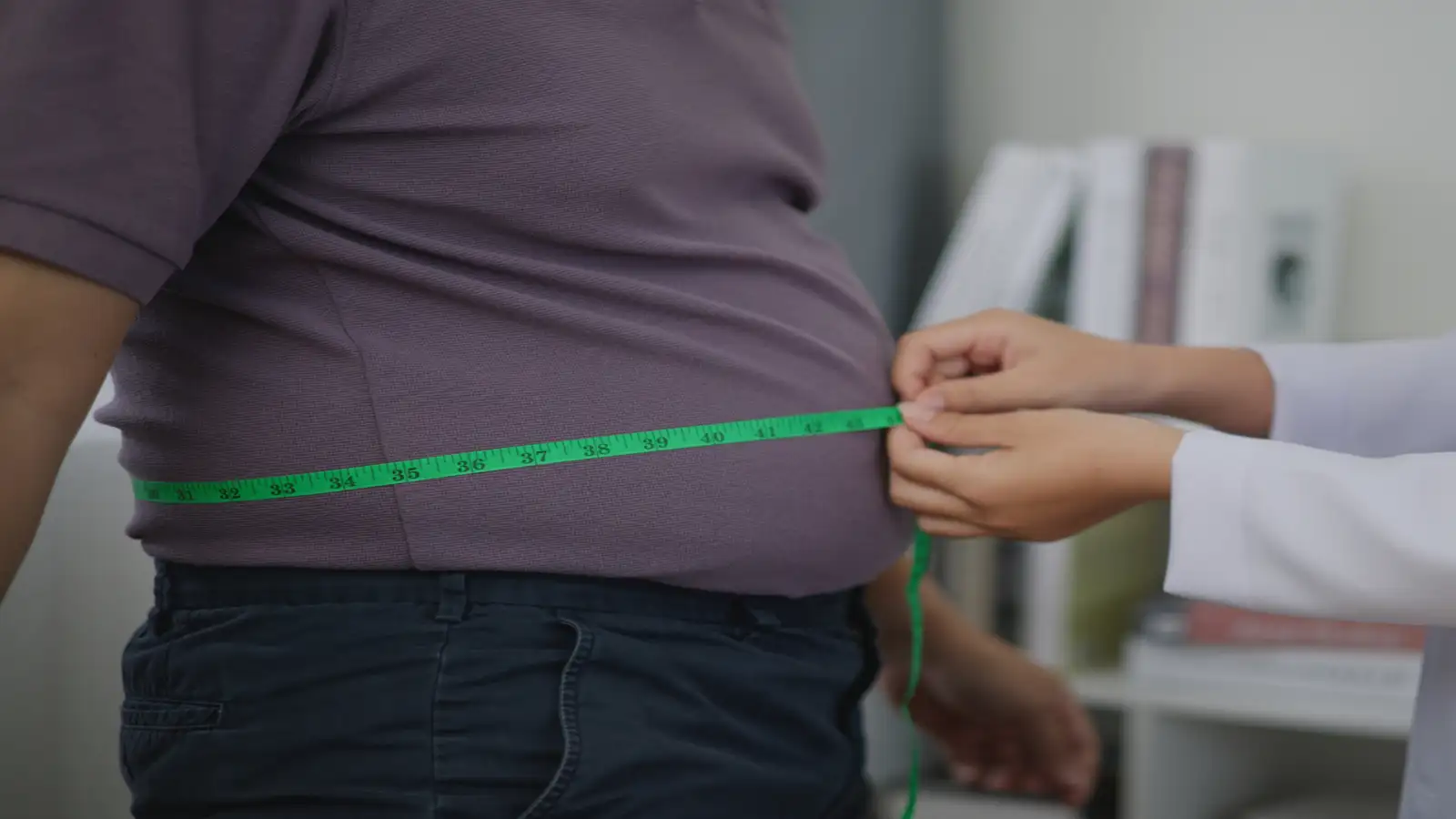
- Excess visceral fat: Fat stored around internal organs disrupts metabolic processes.
- Sedentary lifestyle: Lack of physical activity worsens glucose control.
- Poor dietary habits: High intake of refined carbohydrates and sugars.
- Genetic predisposition: Family history can increase risk.
Reversal strategies aim to directly target these root causes rather than just managing symptoms.
Can Diabetes Be Reversed Quickly?
The term “fast” varies depending on the individual’s health condition, duration of diabetes, and commitment to lifestyle changes. Some individuals may see improvements within weeks, while others may take several months.Rapid improvements are usually associated with:
- Significant weight loss
- Strict dietary modifications
- Increased physical activity
- Medical or surgical interventions when necessary
However, sustainable reversal requires consistency rather than quick fixes.
Lifestyle Changes That Help Reverse Diabetes
1. Nutritional Interventions
Diet plays a central role in managing and reversing diabetes. A structured eating plan can help reduce blood sugar spikes and improve insulin sensitivity.Common dietary approaches include:
- Reducing refined carbohydrates and added sugars
- Increasing fiber-rich foods such as vegetables, legumes, and whole grains
- Prioritizing lean proteins and healthy fats
- Practicing portion control and mindful eating
Low-carbohydrate and Mediterranean-style diets are often recommended due to their positive effects on glycemic control.
2. Weight Management
Excess body weight, particularly around the abdomen, is strongly linked to insulin resistance. Losing even a modest amount of weight can significantly improve blood sugar levels.Weight reduction helps:
- Improve insulin sensitivity
- Reduce inflammation
- Lower fasting glucose levels
- Enhance overall metabolic health
Sustainable weight loss through diet and exercise is one of the most effective non-medical approaches to diabetes reversal.
3. Physical Activity
Regular exercise improves how the body uses insulin and glucose. Both aerobic and resistance training are beneficial.Examples include:
- Walking or jogging
- Cycling
- Strength training
- Swimming
Exercise helps muscles absorb glucose more efficiently, reducing blood sugar levels even without medication.
4. Intermittent Fasting (When Appropriate)
Intermittent fasting has gained attention for its potential to improve insulin sensitivity and promote weight loss. By reducing eating windows, the body gets time to lower insulin levels and utilize stored glucose.However, fasting should be approached cautiously and under guidance, especially for individuals on medication.
Medical and Surgical Approaches
In cases where lifestyle changes alone are insufficient, medical interventions may play a role in achieving faster and more significant improvements.
Metabolic Surgery and Diabetes Reversal
Metabolic or bariatric procedures are increasingly recognized as effective tools for managing type 2 diabetes. These procedures work by altering the digestive system, which leads to:
- Reduced appetite
- Improved insulin sensitivity
- Hormonal changes that support glucose control
This is where the expertise of a Metabolic Surgeon in Dubai becomes relevant. Such specialists focus on advanced surgical techniques designed not only for weight loss but also for improving metabolic conditions like diabetes.Research shows that metabolic surgery can lead to rapid improvements in blood sugar levels, sometimes even before significant weight loss occurs. For eligible individuals, it can be one of the fastest and most effective options for diabetes remission.
Role of Hormones and Gut Health
Emerging research highlights the importance of gut hormones and microbiota in regulating metabolism. Metabolic interventions, including surgery, influence hormones such as GLP-1, which enhances insulin secretion and reduces appetite.Improving gut health through a balanced diet rich in fiber and probiotics can also contribute to better glucose control over time.
Monitoring and Consistency
Reversing diabetes is not a one-time effort but an ongoing process. Regular monitoring of blood glucose levels, HbA1c, and other metabolic markers is crucial to track progress.Consistency in:
- Diet
- Exercise
- Medication adjustments (if applicable)
- Lifestyle habits
ensures that improvements are maintained long-term.
Who Can Consider Diabetes Reversal Strategies?
Not everyone with diabetes will respond the same way to reversal strategies. Factors that influence outcomes include:
- Duration of diabetes
- Level of pancreatic function
- Degree of insulin resistance
- Commitment to lifestyle changes
- Overall health condition
Early intervention generally leads to better outcomes, as the body retains more of its natural ability to regulate glucose.
Final Thoughts
Reversing diabetes quickly is possible for many individuals, but it requires a comprehensive and personalized approach. Lifestyle modifications remain the foundation, including diet, exercise, and weight management. For some individuals, advanced medical options may accelerate progress, particularly under the guidance of a Metabolic Surgeon in Dubai who specializes in metabolic health optimization.Ultimately, diabetes reversal is about restoring balance within the body. With the right combination of strategies, discipline, and medical support, individuals can achieve significant improvements in blood sugar control and overall quality of life.