What Happens During Cellulite Treatment?
Cellulite is a common skin concern that affects people of all body types and lifestyles, often appearing as dimpled or uneven skin texture on areas such as the thighs, hips, and buttocks. Modern aesthetic advancements have made it possible to address this concern with a variety of techniques designed to smooth and improve skin appearance. Cellulite Treatment in Dubai has become a widely searched solution for individuals seeking clearer, firmer-looking skin without invasive surgery or lengthy downtime. But what actually happens during the treatment process? Understanding each stage can help set clear expectations and reduce any uncertainty before beginning.In this article, we’ll walk through the entire journey of cellulite treatment—from consultation and preparation to the procedures themselves and what you may experience afterward.
Understanding Cellulite Before Treatment Begins
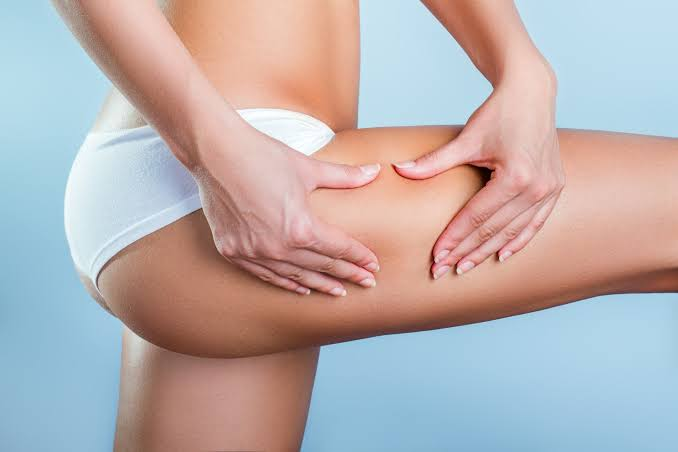
Before diving into the treatment process, it’s important to understand what cellulite actually is. Cellulite forms when fat deposits push through connective tissue beneath the skin, creating a bumpy or “cottage cheese” appearance. It is not harmful or medically dangerous, but it can affect confidence and body image.
Why Cellulite Develops
Several factors contribute to the formation of cellulite, including:
- Genetics and family history
- Hormonal changes
- Poor circulation
- Lifestyle factors such as diet and physical activity
- Natural skin aging and loss of elasticity
Understanding these causes helps professionals choose the most suitable approach for improving skin texture.
Step 1: Initial Consultation and Skin Assessment
The cellulite treatment journey typically begins with a detailed skin evaluation. This step is crucial because not all cellulite is the same, and different grades require different approaches.
What Happens During the Consultation
During this stage, the skin is assessed for:
- Depth and severity of cellulite
- Skin elasticity and thickness
- Areas of concern (thighs, abdomen, buttocks, etc.)
- Overall skin health and hydration levels
The purpose is to create a tailored treatment plan that matches individual skin needs. This ensures that the chosen method targets both surface texture and deeper structural causes.
Step 2: Preparing the Skin for Treatment
Preparation plays an important role in ensuring effective results. Although procedures vary, most cellulite treatments require minimal preparation.
Common Preparation Steps
Patients are usually advised to:
- Keep skin clean and free from lotions or oils
- Stay well hydrated before the session
- Avoid heavy caffeine or alcohol intake
- Wear comfortable clothing for easy access to treatment areas
In many cases, no major lifestyle changes are required, making the process convenient for individuals with busy schedules.
Step 3: The Treatment Procedure Begins
This is the core phase where the actual cellulite reduction techniques are performed. Depending on the chosen approach, different technologies and methods may be used. These are non-surgical and designed to improve skin texture gradually and naturally.
Mechanical and Manual Techniques
Some treatments involve physical manipulation of the skin and underlying tissue.
Massage-Based Methods
Deep tissue massage techniques are often used to:
- Stimulate blood flow
- Break down fat clusters
- Improve lymphatic drainage
- Encourage smoother skin texture
These methods may feel firm or intense but are generally well-tolerated.
Energy-Based Treatments
Modern cellulite reduction often includes advanced technologies that work beneath the skin’s surface.
Radiofrequency Technology
Radiofrequency energy gently heats deeper skin layers to:
- Stimulate collagen production
- Tighten loose skin
- Improve elasticity
- Smooth uneven texture
Laser-Based Techniques
Laser energy may also be used to:
- Target fat deposits beneath the skin
- Strengthen connective tissue
- Enhance skin firmness over time
These methods are typically comfortable, with patients often feeling warmth during the session.
Suction and Vacuum Therapy
Another commonly used method involves suction-based devices.
How It Works
- The skin is gently pulled upward
- Blood circulation increases in targeted areas
- Fibrous bands beneath cellulite are loosened
- Skin appears smoother and more even over time
This method can feel like a rhythmic pulling sensation but is not considered painful.
Step 4: Sensations During the Treatment
Many people wonder what cellulite treatment actually feels like. While sensations vary depending on the technique used, most experiences are manageable and non-invasive.
Common Sensations Include
- Warmth in the treated area
- Light pressure or suction
- Gentle tingling sensations
- Mild muscle stimulation during massage techniques
Most individuals find the process comfortable enough to relax during the session. There is no need for anesthesia or pain medication in standard treatments.
Step 5: Immediate Aftercare and Recovery
One of the advantages of cellulite treatments is minimal downtime. After the session, individuals can typically return to normal daily activities right away.
What You May Notice After Treatment
Immediately following the procedure, it is common to experience:
- Slight redness in treated areas
- Mild warmth or sensitivity
- Temporary tightness of the skin
These effects are short-lived and usually resolve within a few hours.
Aftercare Tips
To support results, it is often recommended to:
- Drink plenty of water to flush toxins
- Engage in light movement or walking
- Avoid intense exercise for the first 24 hours
- Maintain a balanced, healthy diet
These steps help the body respond more effectively to treatment.
Step 6: Gradual Improvement Over Time
Cellulite reduction is not an instant transformation—it is a progressive process. The skin continues to improve over several weeks as the body responds to stimulation and collagen production increases.
When Results Become Noticeable
- Early improvements may appear within a few sessions
- Skin texture gradually becomes smoother
- Firmness and elasticity continue to enhance over time
Consistency plays a major role in achieving optimal results, and multiple sessions are often recommended for best outcomes.
Factors That Influence Treatment Results
The effectiveness of cellulite treatment depends on several personal and lifestyle factors.
Key Influencing Elements
- Severity of cellulite before treatment
- Skin type and natural elasticity
- Age and hormonal balance
- Hydration and nutrition habits
- Physical activity levels
Maintaining a healthy lifestyle helps prolong and enhance visible improvements.
What Makes the Process Unique
What sets modern cellulite treatments apart is their non-invasive nature and focus on skin regeneration rather than aggressive intervention. Instead of simply masking cellulite, these methods aim to improve the underlying structure of the skin.
Key Benefits of the Process
- No surgical intervention required
- Minimal to no downtime
- Gradual, natural-looking improvements
- Suitable for multiple body areas
- Can be combined with other wellness routines
This makes the entire experience convenient and adaptable to different lifestyles.
Final Thoughts
Understanding what happens during cellulite treatment can help ease uncertainty and create realistic expectations. From the initial consultation to the gradual improvement of skin texture, the process is designed to be comfortable, non-invasive, and progressive. While results vary from person to person, consistency and proper aftercare play a significant role in achieving smoother and more refined skin.