Sclerotherapy vs Laser Treatment: Key Differences
Visible veins on the legs or face can affect both appearance and confidence. Fortunately, modern vein treatments offer effective solutions to reduce or eliminate these unwanted veins. Among the most popular options are sclerotherapy and laser treatment. While both procedures are designed to improve the appearance of veins, they work in different ways and are suited for different types of vein concerns.For individuals exploring Sclerotherapy in Dubai, understanding the differences between sclerotherapy and laser treatment is essential. Knowing how each procedure works, their benefits, and their ideal applications can help patients make informed decisions about the best treatment for their needs.
Understanding Vein Treatment Options
Before comparing these two procedures, it is important to understand why vein treatments are performed. Veins may become visible due to aging, genetics, prolonged standing, hormonal changes, pregnancy, or circulation issues. These visible veins often appear as spider veins or small varicose veins and can impact both aesthetics and comfort.Both sclerotherapy and laser therapy aim to reduce the appearance of problematic veins, but they use entirely different techniques to achieve results.
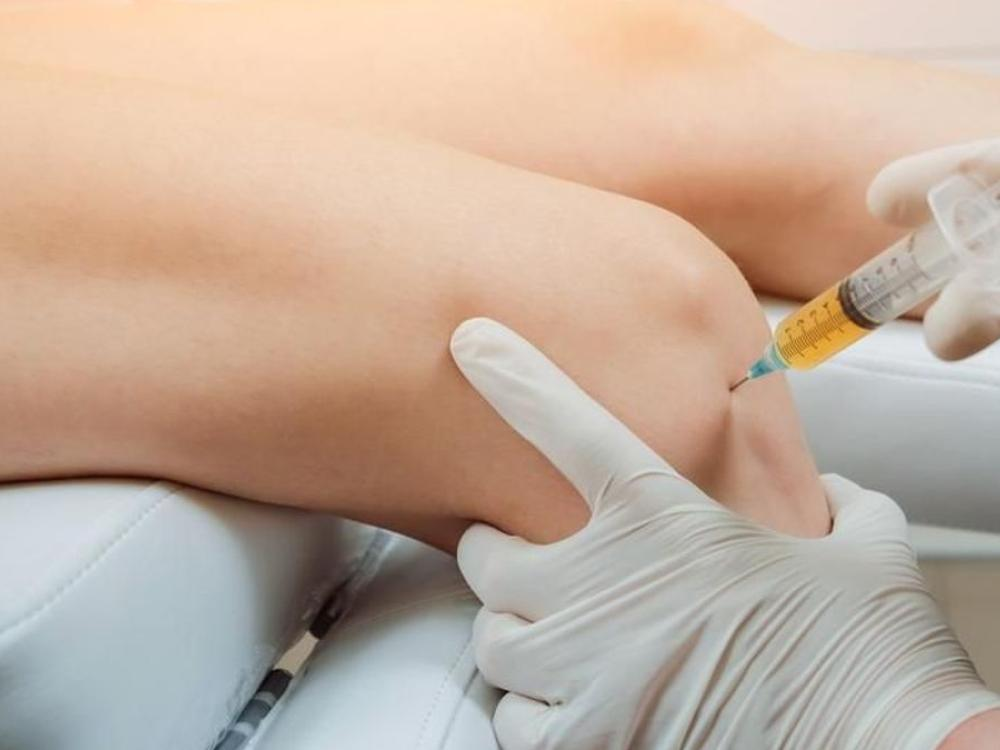
What Is Sclerotherapy?
Sclerotherapy is a minimally invasive procedure that involves injecting a specialized solution directly into the affected vein. This solution irritates the vein lining, causing it to collapse and eventually be absorbed by the body.
How Sclerotherapy Works
During the treatment:
- A fine needle is used to inject the solution into targeted veins.
- The vein walls stick together and close off.
- Blood is naturally redirected to healthier veins.
- The treated vein gradually fades over time.
The procedure is commonly used for spider veins and smaller varicose veins, particularly on the legs.
Benefits of Sclerotherapy
Some key advantages include:
- Effective treatment for multiple veins in one session
- Minimal downtime
- Long-lasting results
- Suitable for larger spider veins and small varicose veins
- Relatively quick treatment process
Because of its proven effectiveness, sclerotherapy has remained one of the most widely used vein treatments for decades.
What Is Laser Treatment?
Laser vein treatment uses concentrated light energy to target visible veins without injections. The laser delivers heat through the skin, causing the vein to collapse and gradually disappear.
How Laser Therapy Works
The process typically involves:
- Direct application of laser energy onto the skin surface
- Heating of the targeted vein
- Damage to the vein walls
- Gradual absorption of the treated vein by the body
Laser treatment is often preferred for very small veins and facial spider veins that may be difficult to inject.
Benefits of Laser Treatment
Laser procedures offer several advantages:
- Non-invasive approach
- No needles required
- Minimal discomfort for many patients
- Effective for tiny superficial veins
- Suitable for delicate facial areas
For patients uncomfortable with injections, laser treatment may be an appealing alternative.
Sclerotherapy vs Laser Treatment: Major Differences
Although both procedures address visible veins, several important distinctions set them apart.
Treatment Method
The most obvious difference lies in how each treatment works.
Sclerotherapy
- Uses injectable solutions
- Targets veins internally
- Causes veins to collapse from within
Laser Treatment
- Uses focused light energy
- Targets veins through the skin
- Relies on heat to damage vein walls
The choice often depends on the size, location, and type of vein being treated.
Types of Veins Treated
Different vein conditions respond better to specific treatments.
Sclerotherapy Is Best For:
- Spider veins on the legs
- Reticular veins
- Small varicose veins
- Clusters of visible leg veins
Laser Treatment Is Best For:
- Tiny facial veins
- Small spider veins near the skin surface
- Delicate treatment areas
For larger or more extensive veins, sclerotherapy is often considered more effective.
Treatment Comfort
Patient comfort is another important factor.
Sclerotherapy Experience
Patients may experience:
- Mild needle sensations
- Temporary stinging during injections
- Minor tenderness afterward
Laser Treatment Experience
Patients often report:
- Warmth during treatment
- Slight snapping sensations
- Temporary redness or sensitivity
Comfort levels vary among individuals, but both procedures are generally well tolerated.
Recovery Differences
Recovery time is usually minimal with either treatment, but there are some distinctions.
Recovery After Sclerotherapy
Patients are often advised to:
- Walk regularly after treatment
- Wear compression stockings if recommended
- Avoid prolonged inactivity
- Limit intense exercise for a short period
Most individuals resume normal activities quickly.
Recovery After Laser Treatment
Laser recovery may involve:
- Mild redness
- Temporary swelling
- Increased sensitivity in treated areas
- Sun protection measures
Because there are no injections, some patients find laser recovery especially convenient.
Which Treatment Produces Faster Results?
Results depend on the size and type of veins being treated.
Sclerotherapy Results Timeline
Many patients notice:
- Improvement within a few weeks
- Continued fading over several months
- Significant reduction in treated veins
Larger veins may take longer to disappear completely.
Laser Treatment Results Timeline
Laser-treated veins may:
- Darken initially
- Gradually fade over several weeks
- Require multiple sessions for optimal outcomes
Both procedures provide gradual improvements rather than immediate results.
Effectiveness Comparison
One of the most important considerations is overall effectiveness.
Sclerotherapy Effectiveness
Sclerotherapy has long been regarded as the gold standard for treating spider veins and small varicose veins. It often achieves excellent results with relatively few sessions.
Laser Treatment Effectiveness
Laser therapy is highly effective for tiny veins, especially on the face. However, larger veins may respond less predictably and sometimes require additional treatments.The ideal choice depends largely on the characteristics of the veins being treated.
Can Sclerotherapy and Laser Treatment Be Combined?
Yes. In some cases, combining both treatments can provide comprehensive vein improvement.
Benefits of Combination Treatment
A combined approach may:
- Address multiple vein sizes
- Improve overall cosmetic results
- Target difficult-to-treat areas
- Enhance treatment precision
For example, sclerotherapy may treat larger leg veins while laser therapy addresses smaller residual veins.
Factors to Consider When Choosing a Treatment
Several factors influence the most appropriate treatment option.
Vein Size
- Larger veins often respond better to sclerotherapy.
- Tiny superficial veins may respond better to laser therapy.
Treatment Area
- Facial veins are commonly treated with lasers.
- Leg veins are frequently treated with sclerotherapy.
Personal Preference
Some individuals prefer a needle-free treatment, while others prioritize maximum effectiveness for larger veins.
Skin Sensitivity
Certain skin types may react differently to laser energy, making consultation and assessment important before treatment.
Who Is a Good Candidate for Either Procedure?
Most healthy adults with visible spider veins or small varicose veins may be candidates for treatment.Ideal candidates generally:
- Have realistic expectations
- Maintain good overall health
- Want to improve the appearance of visible veins
- Follow post-treatment care instructions
An individualized evaluation helps determine the most suitable treatment approach.
Conclusion
Both sclerotherapy and laser treatment are effective options for reducing visible veins and improving skin appearance. While sclerotherapy uses injectable solutions to close veins from within, laser treatment relies on focused light energy to target veins through the skin. Each method offers unique advantages depending on vein size, location, and individual preferences.