Laser Skin Resurfacing for Acne Scars: Is It Worth It?
Acne scars can be a lasting reminder of past breakouts, often affecting skin texture, confidence, and overall appearance. One of the most advanced solutions for improving these scars is laser technology, which has gained popularity worldwide, including Laser Skin Resurfacing in Dubai, where many people seek smoother, more even-toned skin. But the real question remains: is it truly worth it for acne scars, or just another beauty trend?To answer this, it’s important to understand how the treatment works, what results you can realistically expect, and whether it suits your specific skin concerns.
Understanding Laser Skin Resurfacing for Acne Scars
Laser skin resurfacing is a cosmetic skin-rejuvenation technique designed to improve texture, tone, and overall skin quality. When used for acne scars, it targets damaged layers of skin and encourages the growth of healthier, smoother skin cells.
What Makes Acne Scars Difficult to Treat?
Acne scars form when inflammation damages collagen in the skin during a breakout. Depending on severity, scars may appear as:
- Deep pitted scars (atrophic scars)
- Raised thickened areas (hypertrophic scars)
- Uneven skin texture and pigmentation
Because these changes occur beneath the skin’s surface, topical creams alone often fail to deliver noticeable improvements.
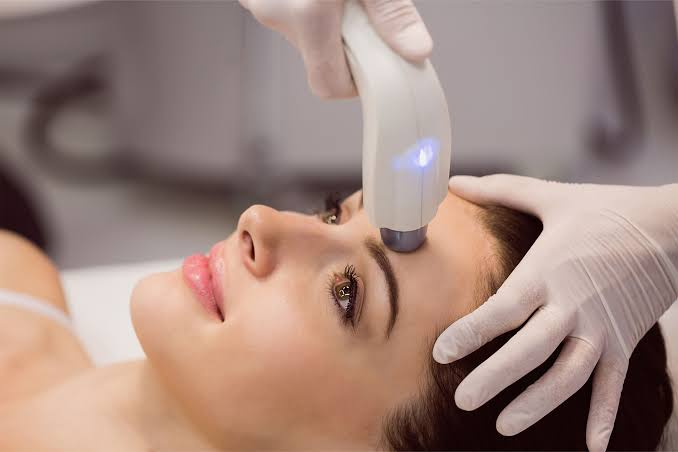
Why Laser Technology Is Effective
Laser resurfacing works at a deeper level than most skincare solutions. Instead of masking scars, it stimulates natural skin regeneration, making it one of the most promising options for long-term improvement.
How Laser Skin Resurfacing Works
Laser treatments use concentrated beams of light energy to treat damaged skin in a controlled way. The process can sound complex, but its core mechanism is straightforward: controlled skin renewal.
Skin Layer Targeting
The laser removes or heats the outer damaged layer of skin while also reaching deeper layers where collagen is formed. This dual action helps:
- Remove irregular surface texture
- Stimulate collagen and elastin production
- Promote smoother, healthier skin growth
Natural Healing Response
After treatment, the skin naturally repairs itself. As new skin cells form, acne scars gradually become less visible, and the skin appears more refined and even.
Gradual Improvement Over Time
Unlike instant cosmetic fixes, laser resurfacing works progressively. Results improve over weeks and months as collagen rebuilds and skin continues to renew itself.
Benefits of Laser Skin Resurfacing for Acne Scars
Laser treatment offers several advantages that make it a preferred option for individuals dealing with stubborn acne scars.
Improved Skin Texture
One of the most noticeable benefits is smoother skin. Uneven textures caused by acne scarring become less prominent as new skin replaces damaged layers.
Reduction in Scar Visibility
Deep and shallow scars can become significantly less visible. While complete removal is not always possible, the improvement can be substantial enough to enhance overall appearance.
Even Skin Tone
Acne scars often come with pigmentation issues such as dark spots or redness. Laser resurfacing helps balance skin tone by targeting these discolorations.
Boost in Collagen Production
Collagen is essential for firm, youthful-looking skin. By stimulating collagen growth, laser treatment improves not only scars but also overall skin elasticity.
Long-Lasting Results
With proper care, the improvements from laser resurfacing can last a long time, making it a worthwhile investment in skin health.
What to Expect During the Process
Understanding what happens before, during, and after treatment helps set realistic expectations and ensures a smoother experience.
Before Treatment
The skin is typically assessed to determine scar depth and skin sensitivity. Preparation may involve avoiding sun exposure and certain skincare products.
During the Procedure
The laser is applied to targeted areas of the skin. Patients often describe a warm or tingling sensation. The duration depends on the size of the treatment area.
Immediately After Treatment
It is normal for the skin to appear red, slightly swollen, or sensitive, similar to a sunburn. This is part of the healing process as the skin begins to regenerate.
Short-Term Recovery Phase
Over the next few days, the skin may peel or flake as old layers shed. New skin gradually emerges underneath, appearing fresher and smoother.
Is Laser Skin Resurfacing Worth It for Acne Scars?
The value of laser resurfacing depends on expectations, skin condition, and commitment to aftercare.
When It Is Worth It
Laser treatment is generally worth considering if you:
- Have moderate to deep acne scars
- Struggle with uneven skin texture
- Want long-term improvement rather than temporary solutions
- Are open to a gradual healing process
In these cases, the transformation in skin quality can be significant.
When Results May Be Limited
It may be less effective if:
- Scars are extremely deep or widespread
- There is active acne still present
- Expectations are for complete scar removal rather than improvement
Laser resurfacing improves appearance but may not completely erase all scars.
Realistic Expectations Matter
One of the most important factors in satisfaction is understanding that results are gradual and progressive. Skin improvement continues over time as collagen rebuilds.
Recovery and Long-Term Results
Healing plays a major role in how successful laser resurfacing outcomes are.
Short-Term Recovery
Most people experience visible healing within a week or two, depending on the intensity of the treatment. During this phase, the skin is highly sensitive and requires gentle care.
Long-Term Skin Renewal
Over the following months, collagen production continues beneath the surface. This leads to:
- Smoother skin texture
- Reduced scar depth
- Brighter and more even complexion
Maintaining Results
Healthy skincare habits such as sun protection, hydration, and gentle cleansing help maintain results and prevent future skin damage.
Common Questions About Laser Acne Scar Treatment
Does it completely remove acne scars?
Laser resurfacing significantly improves scars but may not completely eliminate very deep or old scarring.
How many sessions are needed?
The number of sessions varies depending on scar severity and skin response. Some people notice improvement after a single session, while others require multiple treatments.
Is it suitable for all skin types?
Modern laser techniques are designed to be more adaptable, but results and recovery may vary based on skin tone and sensitivity.
When are results visible?
Initial improvements may be seen after the skin heals, but the most noticeable results develop gradually over several weeks to months.
Final Thoughts
Laser skin resurfacing has become a powerful solution for individuals struggling with acne scars, offering visible improvements in texture, tone, and overall skin quality.