How Long Do Ceramic Crowns Last? Expert Answers
Ceramic crowns have become one of the most trusted solutions for restoring damaged or weakened teeth while maintaining a natural-looking smile. Whether you are considering Ceramic Crowns in Dubai or simply exploring your restorative dental options, one of the biggest questions is how long these crowns actually last. Understanding their lifespan, the factors that affect durability, and the best ways to care for them can help you make informed decisions and enjoy lasting results.
What Are Ceramic Crowns?
Ceramic crowns are custom-made tooth-shaped caps designed to cover damaged, cracked, worn, or weakened teeth. They restore the tooth's strength, function, and appearance while blending seamlessly with surrounding natural teeth.Unlike crowns made from metal or metal-ceramic combinations, all-ceramic crowns are known for their lifelike translucency and aesthetic appeal. They are especially popular for restoring front teeth but are now also commonly used for back teeth due to advancements in ceramic materials.
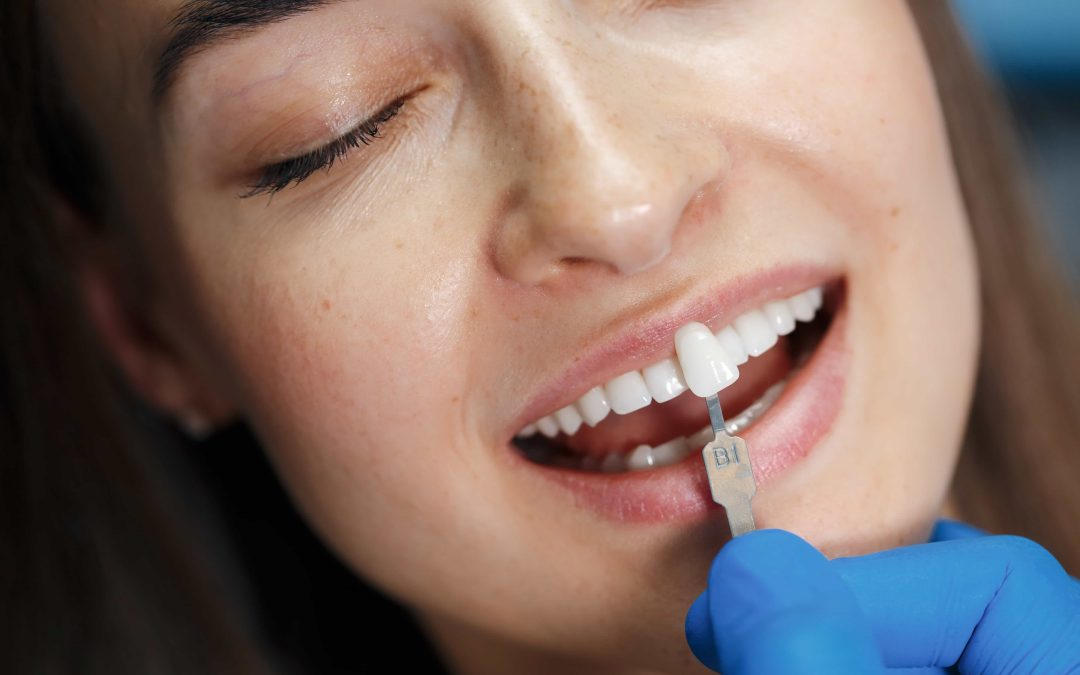
How Long Do Ceramic Crowns Typically Last?
The average lifespan of a ceramic crown ranges from 10 to 15 years. However, many ceramic crowns remain in excellent condition for 20 years or longer when they receive proper care and maintenance.Several long-term studies have shown that modern ceramic materials are remarkably durable and resistant to everyday wear. Their longevity depends less on the crown itself and more on how well it is maintained over time.While no dental restoration lasts forever, ceramic crowns can provide years of reliable performance when treated with care.
Factors That Affect the Lifespan of Ceramic Crowns
Several factors determine how long a ceramic crown will continue to function effectively.
Quality of Oral Hygiene
Good oral hygiene is one of the biggest contributors to crown longevity. Although ceramic cannot decay, the natural tooth underneath the crown remains vulnerable to cavities and gum disease.Brushing twice daily, flossing carefully around the crown, and maintaining healthy gums all contribute to a longer-lasting restoration.
Daily Habits
Certain habits place excessive pressure on ceramic crowns, including:
- Chewing ice
- Biting fingernails
- Opening packages with teeth
- Chewing hard candies
- Grinding or clenching teeth
Avoiding these habits significantly reduces the risk of cracks or fractures.
Bite Alignment
An uneven bite can place extra stress on specific teeth, causing crowns to wear faster. Proper bite alignment helps distribute chewing forces evenly and protects the restoration from unnecessary damage.
Overall Oral Health
Healthy gums and surrounding teeth provide the stable foundation needed for ceramic crowns to remain secure. Gum disease or untreated decay can shorten the life of even the highest-quality crown.
Signs Your Ceramic Crown May Need Replacement
Even durable restorations eventually experience wear. Knowing the warning signs allows you to seek timely dental evaluation before more serious issues develop.Common signs include:
Persistent Pain
Discomfort around a crowned tooth may indicate decay beneath the crown, gum inflammation, or changes affecting the underlying tooth.
Visible Damage
Cracks, chips, or fractures in the ceramic should never be ignored. Even minor damage can worsen over time if left untreated.
Loose Crown
A crown that feels unstable or shifts while chewing may have weakened bonding or damage underneath.
Gum Recession
As gums naturally change over time, the edge of the crown may become exposed. This can increase sensitivity and create areas where bacteria accumulate.
Wear Over Time
Years of chewing can gradually wear down the crown's surface, especially if heavy grinding is involved.
How to Make Ceramic Crowns Last Longer
Proper maintenance plays a major role in extending the life of ceramic crowns.
Brush Every Day
Use a soft-bristled toothbrush and fluoride toothpaste to remove plaque and protect the surrounding natural tooth structure.
Floss Carefully
Cleaning around the crown removes bacteria and food particles that could contribute to decay near the crown margins.
Wear a Night Guard if Needed
People who grind or clench their teeth while sleeping place enormous pressure on ceramic restorations. A custom night guard helps absorb these forces and protects both crowns and natural teeth.
Choose Tooth-Friendly Foods
While ceramic crowns are strong, consistently chewing extremely hard foods increases the risk of fractures. Softer, balanced food choices help preserve the restoration.
Schedule Regular Dental Checkups
Routine dental examinations allow early detection of small problems before they require extensive treatment. Professional cleanings also help maintain healthy gums surrounding the crown.
Are Ceramic Crowns Strong Enough for Everyday Use?
Yes. Modern ceramic materials are engineered to withstand normal chewing forces encountered during daily eating and speaking.Many advanced ceramics combine exceptional aesthetics with impressive strength, making them suitable for both front and back teeth.However, like natural teeth, ceramic crowns are not indestructible. They perform best when used normally rather than as tools for biting hard objects or opening packages.
Do Ceramic Crowns Wear Out Naturally?
Over many years, ceramic crowns may gradually show signs of aging. Normal wear is expected with any dental restoration.Natural changes may include:
- Slight surface wear
- Minor changes in polish
- Small chips
- Gum changes around the crown
- Wear of the bonding material
These gradual changes do not necessarily mean immediate replacement is required. Regular monitoring helps determine the appropriate timing if replacement becomes necessary.
Can Ceramic Crowns Stain?
One advantage of ceramic crowns is their excellent stain resistance.Unlike natural enamel, high-quality ceramic materials do not easily absorb pigments from coffee, tea, or other colored beverages. While the crown itself remains resistant to discoloration, plaque buildup or staining along the edges may affect its appearance if oral hygiene is neglected.Regular brushing and professional cleaning help preserve the crown's natural brightness.
Is Replacement Always Necessary After 10 Years?
Not necessarily.The often-quoted lifespan of 10 to 15 years represents an average rather than a fixed expiration date. Some ceramic crowns continue functioning perfectly for decades without requiring replacement.Replacement depends on the actual condition of the crown rather than its age alone. If the crown remains secure, functional, and free of damage, it may continue serving effectively for many additional years.
Final Thoughts
Ceramic crowns are among the most durable and aesthetically pleasing restorative dental options available today. While their average lifespan ranges between 10 and 15 years, many last well beyond two decades with proper care. Maintaining excellent oral hygiene, avoiding harmful habits, protecting your teeth from excessive force, and attending regular dental checkups all contribute to maximizing the longevity of your restoration