How Is a Lipoma Treatment Determined by Doctors?
When it comes to managing soft tissue growths, understanding how a lipoma treatment is determined by doctors is crucial for patients seeking safe and effective care. In Dubai, individuals looking for Lipoma Treatment in Dubai often consult reputable clinics like Dynamic Clinic, where specialists evaluate the size, location, and potential complications of lipomas before recommending any intervention. Proper assessment ensures personalized care and helps determine whether non-surgical management or removal is necessary.
Understanding Lipomas and Their Impact
Lipomas are benign fatty lumps that typically appear under the skin. While they are generally harmless, their presence can sometimes affect comfort, mobility, or cosmetic appearance. Doctors prioritize a thorough understanding of the lipoma’s characteristics before suggesting treatment. Key factors include:
- Size: Small lipomas may not require removal unless symptomatic.
- Location: Lipomas near nerves, joints, or vital structures may necessitate careful intervention.
- Growth Pattern: Rapidly growing or changing lipomas are closely monitored.
This careful evaluation ensures that each patient receives a treatment plan tailored to their needs.
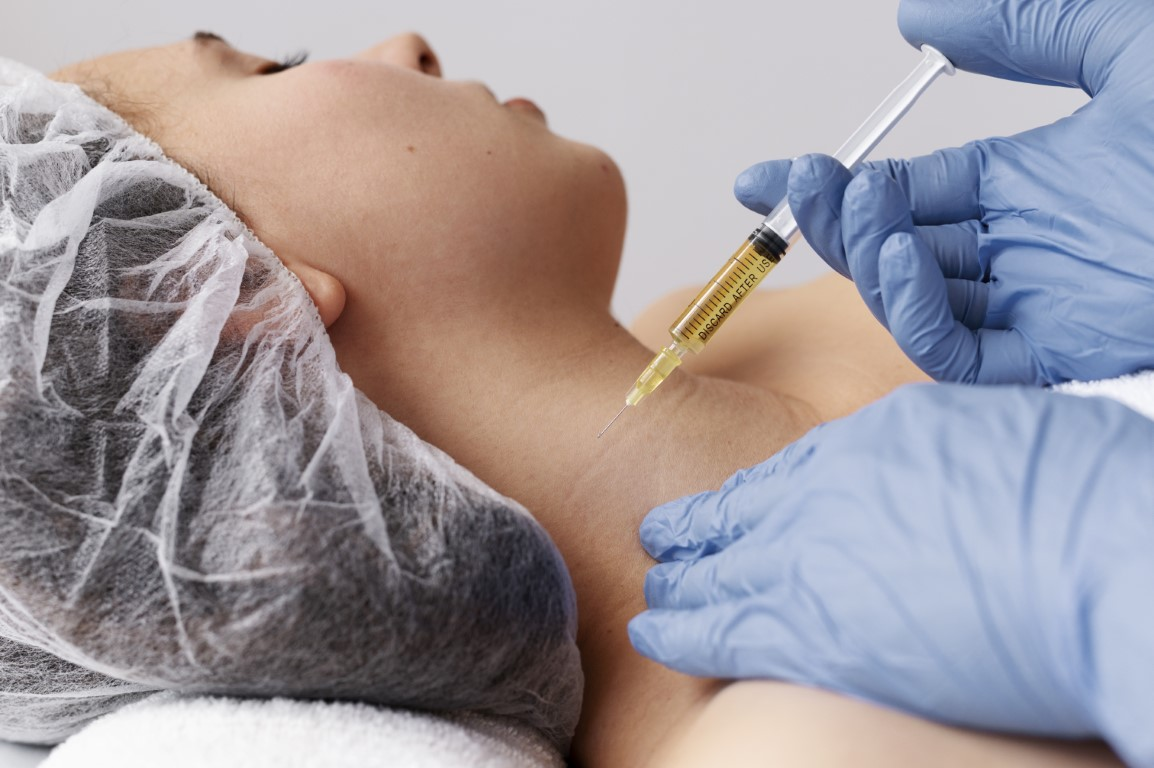
Diagnostic Methods Used by Doctors
Before determining the appropriate lipoma treatment, doctors use diagnostic tools to confirm the nature of the lump. These methods help differentiate lipomas from other growths, including cysts or malignant tumors. Common diagnostic approaches include:
- Physical Examination: Assessing size, shape, and mobility.
- Imaging Tests: Ultrasound, MRI, or CT scans can reveal deeper or complex lipomas.
- Biopsy: In rare cases, tissue samples are taken to rule out malignancy.
Accurate diagnosis guides doctors in selecting the safest and most effective treatment approach.
Factors Influencing Lipoma Treatment Choices
Doctors consider multiple factors when deciding the best treatment option for a patient. Each factor ensures safety, efficacy, and long-term satisfaction. These include:
- Symptoms: Pain, tenderness, or interference with daily activities may indicate the need for removal.
- Cosmetic Concerns: Visible lipomas can influence treatment decisions, particularly in exposed areas.
- Patient Health: Age, medical history, and potential surgical risks are evaluated.
- Number of Lipomas: Multiple lipomas may require a staged or combined approach.
This individualized assessment helps doctors provide care that aligns with both medical and lifestyle considerations.
Common Lipoma Treatment Options
Once the evaluation is complete, doctors discuss treatment options tailored to the patient’s specific case. The most common strategies include:
- Observation: Monitoring small, asymptomatic lipomas for changes.
- Surgical Removal: Complete excision under local or general anesthesia for symptomatic or growing lipomas.
- Minimally Invasive Procedures: Techniques like liposuction may be suitable for certain patients.
- Non-Surgical Management: Rarely, steroid injections may reduce lipoma size temporarily.
Doctors weigh the benefits and risks of each method to ensure the chosen approach is effective and minimally disruptive.
Preparing for Lipoma Treatment
Preparation for lipoma removal or other procedures involves several steps to ensure safety and optimal results:
- Medical Evaluation: Comprehensive review of patient history and medications.
- Preoperative Instructions: Guidelines for fasting or medication adjustments if surgery is planned.
- Post-Treatment Planning: Understanding recovery time, wound care, and follow-up visits.
Proper preparation helps minimize complications and promotes faster healing.
Recovery and Follow-Up Care
Post-treatment care varies depending on the procedure but generally includes monitoring for infection, managing discomfort, and attending scheduled follow-ups. Patients are advised to:
- Keep the area clean and dry.
- Avoid strenuous activity until cleared by the doctor.
- Report any unusual swelling, redness, or pain promptly.
Follow-up ensures the treatment was successful and reduces the risk of recurrence.
Conclusion
Understanding how a lipoma treatment is determined by doctors helps patients make informed decisions and receive care that is safe, effective, and personalized. In Dubai, accessing professional lipoma treatment in Dubai ensures thorough evaluation, accurate diagnosis, and tailored treatment strategies. By considering factors such as size, location, symptoms, and patient health, doctors can recommend interventions that balance medical necessity with patient comfort and cosmetic outcomes.