How Does the Immune System Respond to a Root Canal Infection?
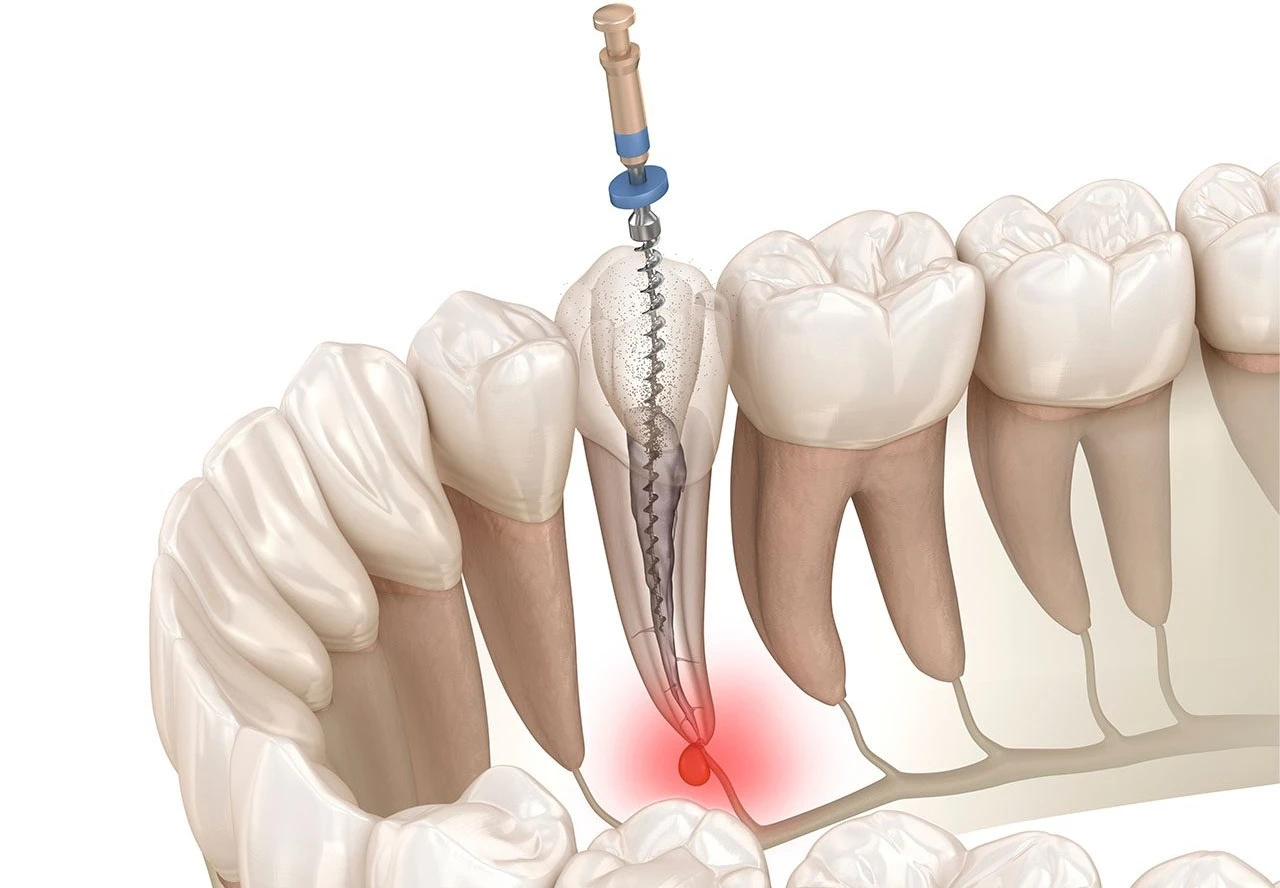
A root canal infection is a dental condition that occurs when bacteria penetrate deep into the tooth, reaching the pulp—the innermost layer containing nerves and blood vessels.
While the infection begins locally, the body’s immune system immediately activates a complex defense mechanism to contain and eliminate the threat.
Understanding how a Root Canal infection in Dubai develops helps explain the symptoms patients experience and why timely dental care is essential.
What Triggers a Root Canal Infection?
A root canal infection typically develops when bacteria enter the tooth through:
- Untreated tooth decay
- Cracks or fractures in the tooth
- Repeated dental procedures on the same tooth
- Trauma that damages the pulp
Once bacteria reach the pulp, they multiply rapidly in the warm, nutrient-rich environment. This triggers the immune system to respond, initiating inflammation and recruiting defensive cells to the site of infection.
The Immune System’s First Line of Defense
When bacteria invade the pulp, the immune system recognizes them as harmful pathogens. The first responders are part of the innate immune system, which acts quickly and non-specifically.
Key responses include:
- Inflammation: Blood vessels around the infected tooth expand, increasing blood flow to deliver immune cells.
- White blood cell activation: Neutrophils and macrophages migrate to the infected area to attack and engulf bacteria.
- Release of signaling molecules: Cytokines and chemokines are released to coordinate the immune response and recruit additional immune cells.
This early stage is often associated with symptoms such as sensitivity, mild pain, and swelling.
How the Body Contains the Infection
As the infection progresses, the immune system attempts to limit its spread beyond the tooth.
Formation of Pus
Dead bacteria, immune cells, and tissue debris accumulate, forming pus. This may lead to:
- Pressure buildup inside the tooth
- Increased pain
- Swelling in surrounding tissues
The formation of pus is a sign that the immune system is actively fighting the infection but may also indicate that the infection is not fully controlled.
Development of an Abscess
If the infection continues unchecked, the body may form a localized pocket of infection known as an abscess. This acts as a containment strategy to prevent bacteria from spreading further into the bloodstream or surrounding tissues.
The Role of the Adaptive Immune System
If the infection persists, the adaptive immune system becomes involved. Unlike the innate system, it is more specific and develops a targeted response.
Components of the adaptive response include:
- T cells: Help coordinate the immune response and destroy infected cells
- B cells: Produce antibodies that recognize and neutralize bacteria
- Memory cells: Help the body respond more efficiently to future infections
Although this system is more precise, it takes longer to activate, which is why infections can worsen before being controlled.
Symptoms Linked to Immune Activity
Many of the common symptoms of a root canal infection are actually caused by the immune response rather than the bacteria alone.These may include:
- Throbbing or persistent tooth pain
- Swelling in the gums or face
- Sensitivity to hot or cold temperatures
- Tenderness when chewing or touching the tooth
- Fever in more severe cases
- General fatigue or discomfort
These symptoms indicate that the immune system is actively fighting the infection, but also that the infection may be progressing.
What Happens if the Infection Spreads?
If a root canal infection in Dubai is not addressed, bacteria may spread beyond the tooth into surrounding tissues. The immune system continues to respond, but the infection can overwhelm local defenses.Possible complications include:
- Spread of infection to the jawbone
- Sinus involvement (especially in upper teeth)
- Facial swelling
- Systemic infection in rare cases
The immune system will attempt to isolate the infection, but without removing the source of bacteria, it cannot fully resolve the issue.
Why Dental Intervention Is Necessary
While the immune system plays a crucial role in controlling infection, it cannot eliminate bacteria trapped inside the tooth pulp. The confined space inside the tooth limits the effectiveness of immune cells and blood supply.Dental treatment is necessary to:
- Remove infected pulp tissue
- Clean and disinfect the root canals
- Seal the tooth to prevent reinfection
Without this intervention, the immune response alone may only suppress symptoms temporarily rather than eliminate the infection.
Supporting the Immune System During Infection
Although professional dental care is essential, maintaining overall immune health can support the body’s ability to manage infection.Helpful habits include:
- Maintaining good oral hygiene (brushing and flossing regularly)
- Staying hydrated
- Eating a balanced diet rich in vitamins and minerals
- Getting adequate rest
- Managing stress levels
These practices help the immune system function efficiently while dealing with infections.
Conclusion
A root canal infection triggers a multi-layered immune response designed to identify, attack, and contain bacterial invaders. From the rapid activation of innate immune cells to the more targeted actions of the adaptive immune system, the body works continuously to defend against infection. However, because the infection resides within the tooth’s internal structure, the immune system alone cannot fully resolve the problem.Understanding how the immune system reacts highlights why early attention to a root canal infection in Dubai is important. Timely care not only relieves symptoms but also prevents the infection from spreading and allows the body to return to a healthy, balanced state.