How Do Teeth Dentures Interact With Natural Oral Tissues?
Tooth loss is more than just a cosmetic concern—it can affect speech, chewing efficiency, facial structure, and overall oral health. Modern dentures are designed not only to replace missing teeth but also to work in harmony with the surrounding oral tissues. Understanding how dentures interact with gums, bone, and soft tissues is essential for anyone considering Teeth Dentures in Dubai, as it helps set realistic expectations and promotes better long-term oral care.
Understanding Dentures and Oral Tissues
Dentures are removable dental appliances that rest on the gums and, in some cases, are supported by remaining natural teeth or implants. The oral cavity is a dynamic environment made up of:
- Gums (gingiva)
- Alveolar bone
- Mucosal tissues
- Saliva
- Muscles of the cheeks and tongue
Dentures must adapt to all these components to function effectively without causing irritation or damage.
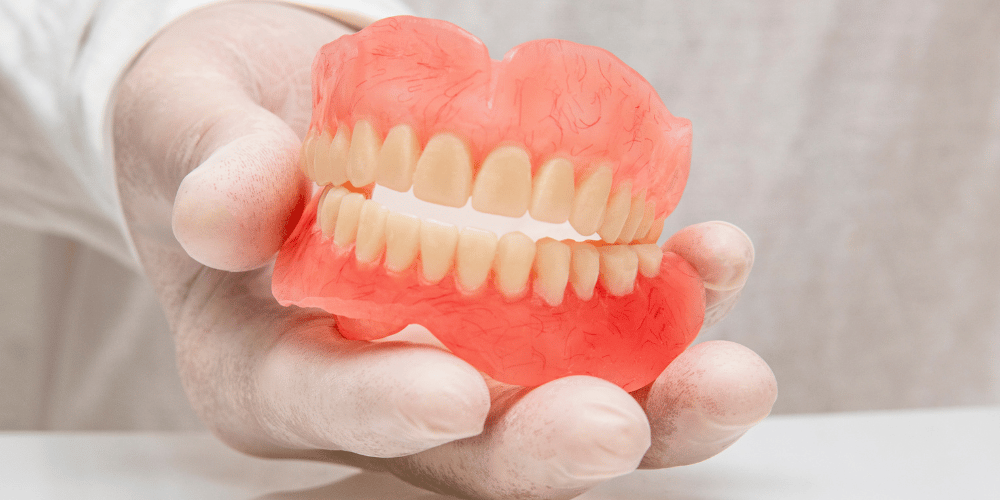
How Dentures Rest on the Gums
One of the most important interactions is between dentures and the gum tissues. The denture base is designed to sit closely over the gum ridge, distributing pressure evenly during chewing and speaking.When dentures are properly fitted:
- Pressure is spread across a broad surface area
- Gums are stimulated in a controlled manner
- Movement is minimized during daily activities
However, because gum tissues are soft and sensitive, they may require an adjustment period. During this time, the tissues adapt to the presence of the denture, and minor soreness can occur until balance is achieved.
Bone and Ridge Resorption
After tooth loss, the jawbone that once supported the teeth begins to shrink over time in a process known as resorption. Dentures interact with this changing bone structure by:
- Sitting on the gum tissue that covers the bone
- Providing indirect stimulation through pressure during chewing
- Helping slow down bone loss compared to having no prosthetic replacement
While dentures do not stop bone resorption completely, they help maintain oral function and facial support. Regular check-ups and adjustments are often necessary to accommodate changes in the bone and gums.
Interaction With Saliva
Saliva plays a crucial role in how dentures function within the mouth. It acts as a natural lubricant and helps create suction between the denture base and oral tissues.Key functions of saliva in denture interaction include:
- Enhancing retention through surface tension
- Reducing friction between dentures and soft tissues
- Helping maintain oral hygiene by flushing away food particles
Dry mouth can affect denture stability, making it harder for dentures to stay in place comfortably.
Muscle Coordination and Denture Stability
The muscles of the tongue, cheeks, and lips are constantly in motion. Dentures must work in coordination with these muscles to remain stable.
- The tongue helps position food and stabilize lower dentures
- Cheek muscles help keep food between the teeth during chewing
- Lip muscles assist in maintaining proper placement of upper dentures
With time and practice, users adapt to controlling these muscles more effectively, which improves denture retention and comfort.
Adaptation of Soft Tissues
When a person first starts using dentures, the soft tissues inside the mouth gradually adapt. This adaptation involves:
- Tissue conditioning to the pressure of the denture base
- Reduced sensitivity over time
- Improved tolerance to contact surfaces
In the initial phase, users may experience slight irritation or pressure spots. These are typically addressed through minor adjustments to ensure a better fit and smoother interaction with oral tissues.
Potential Tissue Responses
While dentures are designed to be biocompatible, the oral tissues may respond in different ways depending on hygiene, fit, and usage habits. Common responses include:
- Mild inflammation if cleaning is inadequate
- Pressure sores from uneven distribution of force
- Tissue overgrowth in cases of prolonged irritation
- Fungal infections if moisture and hygiene are not properly managed
Maintaining proper oral hygiene and ensuring a well-fitting denture are key to minimizing these issues.
Importance of Proper Fit and Maintenance
The interaction between dentures and oral tissues is highly dependent on how well the dentures fit. A precise fit ensures:
- Even pressure distribution
- Reduced irritation to gums
- Better chewing efficiency
- Improved speech clarity
Over time, natural changes in the mouth can affect the fit. Regular maintenance, including cleaning and periodic evaluations, helps preserve the harmony between dentures and oral tissues.
Daily Care and Oral Tissue Health
To support healthy interaction between dentures and oral tissues, consistent care routines are essential:
- Remove and clean dentures daily to prevent plaque buildup
- Rinse the mouth to keep gums clean and hydrated
- Gently massage gums to stimulate blood circulation
- Avoid wearing dentures continuously without breaks, if advised
- Maintain proper hydration to support saliva production
These habits help ensure that the surrounding tissues remain healthy and responsive.
Adjusting to Dentures Over Time
Adaptation is a gradual process. Initially, users may notice changes in:
- Speech patterns
- Chewing efficiency
- Sensation of bulkiness in the mouth
As the oral tissues and muscles adapt, these concerns typically diminish. Consistency in wearing dentures and following recommended care practices can significantly improve the overall experience.
Conclusion
Dentures are more than just replacements for missing teeth—they are functional devices that interact closely with the gums, bone, saliva, and muscles of the mouth. Understanding how these interactions occur is essential for anyone considering or currently using Teeth Dentures in Dubai.When dentures are properly fitted and well-maintained, they can integrate smoothly with natural oral tissues, supporting comfort, function, and oral health. By recognizing how the mouth adapts and responds to dentures, users can take proactive steps to ensure a stable, comfortable, and long-lasting experience.