How Dental Stains Removal Works for Different Teeth
Dental stains can affect the brightness and overall health of your smile. Understanding how Dental Stains Removal in Dubai works for various types of teeth is essential for achieving lasting results. At Dynamic Clinic in Dubai, specialists use advanced techniques to target specific stains while preserving enamel integrity.
Types of Dental Stains
Dental stains are generally classified into two main categories:
- Extrinsic stains – These appear on the surface of teeth, often caused by coffee, tea, smoking, or colored foods. They are usually easier to remove using professional cleaning methods.
- Intrinsic stains – These occur within the tooth structure and may result from aging, trauma, certain medications, or excessive fluoride exposure. Intrinsic stains are harder to remove and often require specialized whitening treatments.
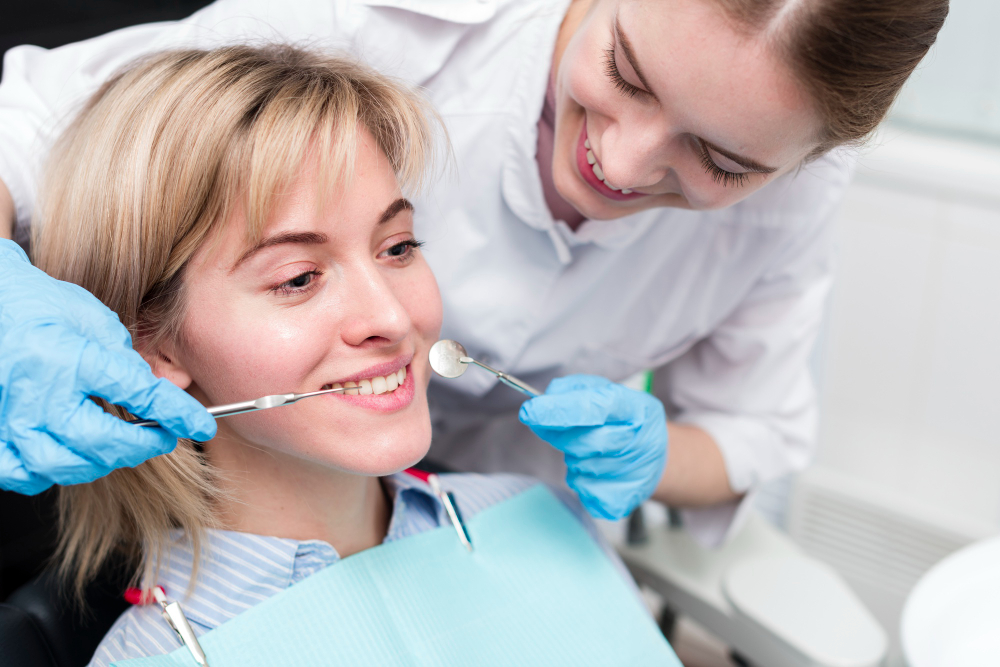
How Stains Affect Different Teeth
Not all teeth respond the same way to stain removal. Factors such as enamel thickness, tooth position, and natural color variations influence treatment outcomes.
- Front teeth (incisors and canines) – These teeth are the most visible and commonly stained. Their thinner enamel can show stains more prominently but also responds well to whitening procedures.
- Molars and premolars – Located at the back of the mouth, these teeth are more prone to deep intrinsic stains from foods and drinks. Professional polishing and targeted whitening agents help restore their natural color.
- Sensitive teeth – Teeth with exposed dentin or previous dental work may require gentler stain removal methods to prevent discomfort.
Techniques for Dental Stains Removal
Dental professionals use a variety of approaches depending on the type and severity of the stains:
- Professional Cleaning and Polishing
- Removes plaque and surface discoloration
- Uses rotating brushes or rubber cups with mild abrasive pastes
- Ideal for extrinsic stains
- In-Office Whitening Treatments
- Employs high-concentration bleaching agents
- Can lighten intrinsic stains effectively
- Often combined with protective gels to reduce sensitivity
- Microabrasion
- Involves removing a thin layer of enamel to treat stubborn spots
- Best for localized stains caused by enamel defects
- Customized At-Home Whitening Kits
- Provides gradual stain reduction
- Suited for patients with mild to moderate discoloration
- Requires consistent use over several weeks
Factors That Influence Effectiveness
The success of dental stain removal depends on several key factors:
- Type of stain – Extrinsic stains respond faster than intrinsic ones.
- Tooth structure – Enamel thickness and translucency affect how teeth absorb whitening agents.
- Oral hygiene habits – Regular brushing, flossing, and professional cleanings improve results.
- Diet and lifestyle – Reducing intake of stain-causing foods and beverages helps maintain whitening effects.
Maintenance After Stain Removal
To preserve a bright smile, ongoing care is essential:
- Brush twice daily with fluoride toothpaste
- Limit exposure to dark-colored beverages like coffee, tea, and red wine
- Use a straw for stain-prone drinks
- Schedule regular professional cleanings every 6–12 months
Conclusion
Understanding how dental stains removal works for different teeth allows patients in Dubai to make informed decisions about their oral care. By selecting the appropriate treatment and maintaining proper hygiene, it’s possible to achieve a long-lasting, healthy, and radiant smile.