How Are Female Hair Transplants Diagnostically Planned?
Female hair loss can be emotionally distressing and often more complex to evaluate than male pattern baldness. For women considering restoration procedures, a thorough diagnostic approach is essential before any surgical decision is made. In cities like Dubai, where advanced aesthetic solutions are widely available, Female Hair Transplants in Dubai are carefully planned using a structured diagnostic process to ensure natural-looking, long-lasting results.This article explores how diagnostic planning works, why it is important, and what factors specialists evaluate before recommending a hair transplant for women.
Understanding Female Hair Loss Patterns
Unlike men, who typically experience receding hairlines or bald spots, women often present with diffuse thinning across the scalp. This makes diagnosis more nuanced and requires a detailed assessment rather than a one-size-fits-all approach.Common causes of female hair loss include:
- Genetic predisposition (female pattern hair loss)
- Hormonal imbalances
- Nutritional deficiencies
- Stress-related shedding (telogen effluvium)
- Medical conditions such as thyroid disorders or polycystic ovary syndrome (PCOS)
- Postpartum hair loss
Before proceeding with Female Hair Transplants in Dubai, it is crucial to determine whether the hair loss is stable, progressive, or temporary.
Initial Consultation and Medical History Review
Diagnostic planning begins with an in-depth consultation. During this stage, a detailed medical and lifestyle history is gathered to understand potential underlying causes.Key aspects evaluated include:
- Duration and progression of hair loss
- Family history of hair thinning or baldness
- Menstrual and hormonal history
- Pregnancy, childbirth, or menopause status
- Current medications or supplements
- Previous treatments or hair restoration attempts
This information helps identify whether the patient is a suitable candidate for a transplant or if underlying medical issues need to be addressed first.
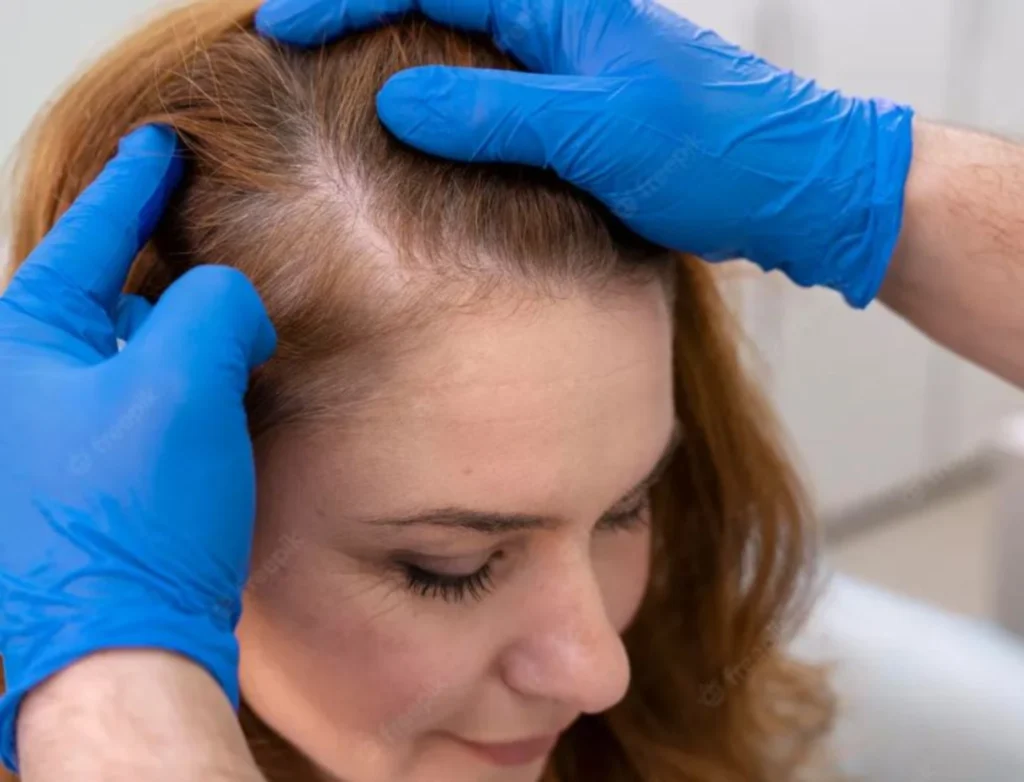
Scalp Examination and Hair Density Assessment
A physical examination of the scalp is a critical step in the diagnostic process. Specialists analyze the donor and recipient areas to determine feasibility and expected outcomes.During the examination, the following are assessed:
- Donor area density: The back and sides of the scalp are evaluated for sufficient healthy hair follicles
- Recipient area thinning pattern: Areas with reduced density are mapped out
- Hair shaft quality: Thickness, texture, and growth cycles are examined
- Scalp condition: Presence of inflammation, dandruff, or scarring
High-resolution imaging tools or magnification devices may be used to enhance accuracy. This step ensures that the transplant will not compromise the donor area while achieving natural coverage.
Trichoscopic Analysis
Trichoscopy is a non-invasive diagnostic technique that uses a dermatoscope to examine the scalp and hair follicles in detail. It helps identify patterns that may not be visible to the naked eye.Through trichoscopic evaluation, specialists can:
- Detect miniaturized hair follicles
- Assess hair shaft diameter variation
- Identify signs of early-stage alopecia
- Evaluate follicular units for transplant suitability
This advanced analysis plays a key role in differentiating between temporary shedding and permanent hair loss, which directly influences treatment planning for Female Hair Transplants in Dubai.
Determining the Cause of Hair Loss
Accurate diagnosis requires distinguishing between reversible and irreversible hair loss conditions. Transplantation is typically recommended only when hair loss is stable or permanent.Common diagnostic categories include:
- Androgenetic alopecia: Progressive thinning due to genetic and hormonal factors
- Telogen effluvium: Temporary shedding often triggered by stress or illness
- Traction alopecia: Hair loss caused by tight hairstyles
- Scarring alopecia: Permanent hair loss due to inflammation or injury
If the cause is reversible, non-surgical treatments may be prioritized before considering transplantation.
Blood Tests and Hormonal Evaluation
In many cases, laboratory tests are recommended to identify underlying systemic issues. These tests help ensure that hair loss is not a symptom of a broader health condition.Typical evaluations may include:
- Thyroid function tests
- Iron and ferritin levels
- Vitamin D and B12 levels
- Hormonal profiles (androgens, estrogen, progesterone)
Addressing deficiencies or hormonal imbalances can improve hair health and may reduce the extent of hair loss before any surgical intervention is considered.
Donor Area Suitability Analysis
A successful hair transplant depends heavily on the availability of a strong donor area. In women, this assessment is particularly important because diffuse thinning can sometimes affect the entire scalp.The donor area is evaluated for:
- Hair density and stability
- Resistance to hair loss
- Availability of grafts without overharvesting
- Uniformity of hair distribution
Only patients with adequate donor hair are considered suitable candidates for transplantation.
Designing the Hairline and Coverage Plan
Once diagnostic findings are complete, a customized treatment plan is created. This includes designing a natural-looking hairline and determining the distribution of grafts.Planning involves:
- Mapping areas requiring density improvement
- Establishing a hairline that complements facial features
- Ensuring symmetry and balance
- Estimating the number of grafts required
- Prioritizing zones for optimal cosmetic impact
For women, maintaining a soft, natural hairline is essential to preserve feminine aesthetics.
Psychological Readiness and Expectations
An often overlooked aspect of diagnostic planning is evaluating the patient’s expectations. Hair transplantation can significantly improve appearance, but results vary depending on individual factors.During planning, specialists discuss:
- Realistic outcomes
- Recovery timeline
- Hair growth cycles post-procedure
- Possible need for complementary treatments
Ensuring psychological readiness helps align expectations with achievable results, contributing to overall satisfaction with Female Hair Transplants in Dubai.
Conclusion
Diagnostic planning is the foundation of a successful female hair transplant. From detailed medical history and scalp analysis to trichoscopic evaluation and hormonal testing, every step plays a crucial role in determining candidacy and designing a personalized treatment approach.For women considering Female Hair Transplants in Dubai, understanding this diagnostic process provides clarity, confidence, and realistic expectations. A well-structured evaluation ensures that the procedure is not only medically appropriate but also tailored to achieve natural, aesthetically pleasing results.By prioritizing accurate diagnosis and individualized planning, women can take a well-informed step toward restoring their hair and regaining confidence in their appearance.