HIFU Treatment Side Effects You Should Know First
Choosing a non-surgical cosmetic procedure requires understanding both the benefits and possible concerns involved. HIFU treatment in Dubai has become a popular option for people seeking firmer, smoother-looking skin without invasive methods. While the procedure is generally considered safe when performed correctly, knowing the possible HIFU side effects beforehand can help you make a more informed decision and prepare for the recovery process.
Understanding HIFU Treatment and How It Works
High-Intensity Focused Ultrasound (HIFU) is a modern skin-tightening procedure that uses focused ultrasound energy to stimulate collagen production beneath the skin’s surface. Unlike surgical procedures, it does not involve cuts or lengthy downtime, making it appealing for individuals who want gradual improvements in skin firmness and texture.The treatment works by delivering controlled energy to deeper layers of the skin, encouraging natural regeneration processes. Over time, increased collagen production may help improve areas affected by mild sagging, fine lines, and loss of elasticity. However, because the procedure affects deeper tissues, some temporary reactions can occur after a session.Before undergoing treatment, it is important to understand that results and experiences can vary from person to person. Skin type, sensitivity, age, and the area being treated can all influence how someone responds. HIFU treatment may cause temporary effects that are usually mild, but being aware of them allows patients to recognize normal reactions and seek professional advice if needed.
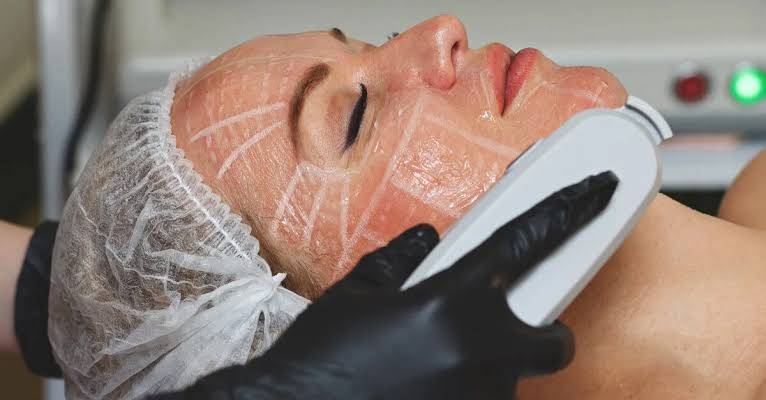
Common Side Effects After HIFU Treatment
Most people experience minimal discomfort after a HIFU session, but some temporary side effects may appear. These reactions typically occur because the ultrasound energy is stimulating tissues beneath the skin. Common effects include:
- Redness or mild swelling around the treated area
- Tenderness or sensitivity when touching the skin
- A tingling sensation or mild numbness
- Slight bruising in sensitive areas
- Temporary tightness or discomfort
These effects usually improve naturally as the skin adjusts. Following recommended aftercare instructions, avoiding unnecessary irritation, and protecting the skin from harsh environmental factors can support a smoother recovery.
Less Common HIFU Side Effects to Be Aware Of
Although serious complications are uncommon, some individuals may experience less frequent reactions. These may happen if the skin responds differently to the ultrasound energy or if aftercare recommendations are not followed properly.Possible less common side effects include:
- Changes in skin sensation that last longer than expected
- Temporary unevenness or swelling
- Increased sensitivity in treated areas
- Minor nerve-related sensations such as unusual tingling
It is important to communicate any unusual or persistent symptoms with a qualified professional. A proper consultation before treatment can help identify whether HIFU is suitable based on individual skin conditions and personal goals.
Factors That May Increase the Risk of Side Effects
Several factors can affect how the skin reacts after a HIFU procedure. People with highly sensitive skin, certain existing skin concerns, or unrealistic expectations about outcomes may need additional guidance before proceeding.The experience of the person performing the treatment also plays an important role. Proper technique, suitable energy settings, and accurate treatment planning help reduce unnecessary discomfort and improve safety.Additionally, lifestyle habits can influence skin recovery. Staying hydrated, maintaining a healthy skincare routine, and avoiding excessive sun exposure may help support the skin after treatment. While HIFU is designed to encourage natural collagen production, it is still essential to follow professional recommendations throughout the process.
How to Reduce Discomfort After HIFU Treatment
Aftercare can make a significant difference in how comfortable the recovery period feels. Simple steps can help minimize irritation and support healthy-looking skin.Recommended aftercare practices may include:
- Using gentle skincare products
- Avoiding intense heat exposure immediately after treatment
- Protecting the skin with suitable sun protection
- Avoiding aggressive exfoliation for a short period
- Following personalized care instructions
Patients should also avoid comparing their results too quickly with others because collagen remodeling happens gradually. The skin may continue improving over several weeks as natural repair processes take place.
When Should You Seek Professional Advice?
While mild redness, sensitivity, or swelling can be expected after HIFU, certain symptoms should not be ignored. If discomfort becomes severe, unusual changes appear, or side effects continue longer than expected, professional evaluation is recommended.A consultation before and after treatment provides an opportunity to discuss concerns, understand expected reactions, and receive guidance tailored to individual skin needs. Clear communication helps create a safer and more comfortable experience.
Conclusion
Understanding the possible side effects of HIFU treatment is an important step before choosing this skin-tightening option. Although temporary reactions can occur, proper preparation, professional care, and realistic expectations can help support a positive experience. Clinics such as Dynamic Clinic focus on providing guidance and care throughout the treatment journey, helping individuals make informed decisions about their skincare goals.