Hair Transplant Success Stories That Inspire New Hope
In today’s world, many individuals struggling with hair loss are seeking long-term solutions that restore not just their appearance but also their confidence and emotional well-being. One of the most searched treatments globally is Hair Transplant in dubai, a topic often associated with transformation, renewed self-esteem, and life-changing results. Beyond the technical side of hair restoration, what truly captures attention are the real success stories of people who have regained their identity and confidence through this journey.
The Emotional Power of Hair Restoration Journeys
Hair loss is more than just a physical change—it often affects how people see themselves and how they interact with the world. For many, it begins gradually, with thinning areas or receding hairlines, and slowly turns into a source of insecurity.Success stories in hair restoration highlight something powerful: emotional recovery. People don’t just experience hair regrowth; they experience a shift in mindset. They start smiling more in photos, engaging socially with ease, and feeling comfortable in their own skin again.What makes these transformations truly inspiring is not just the visible change, but the invisible healing that happens within.
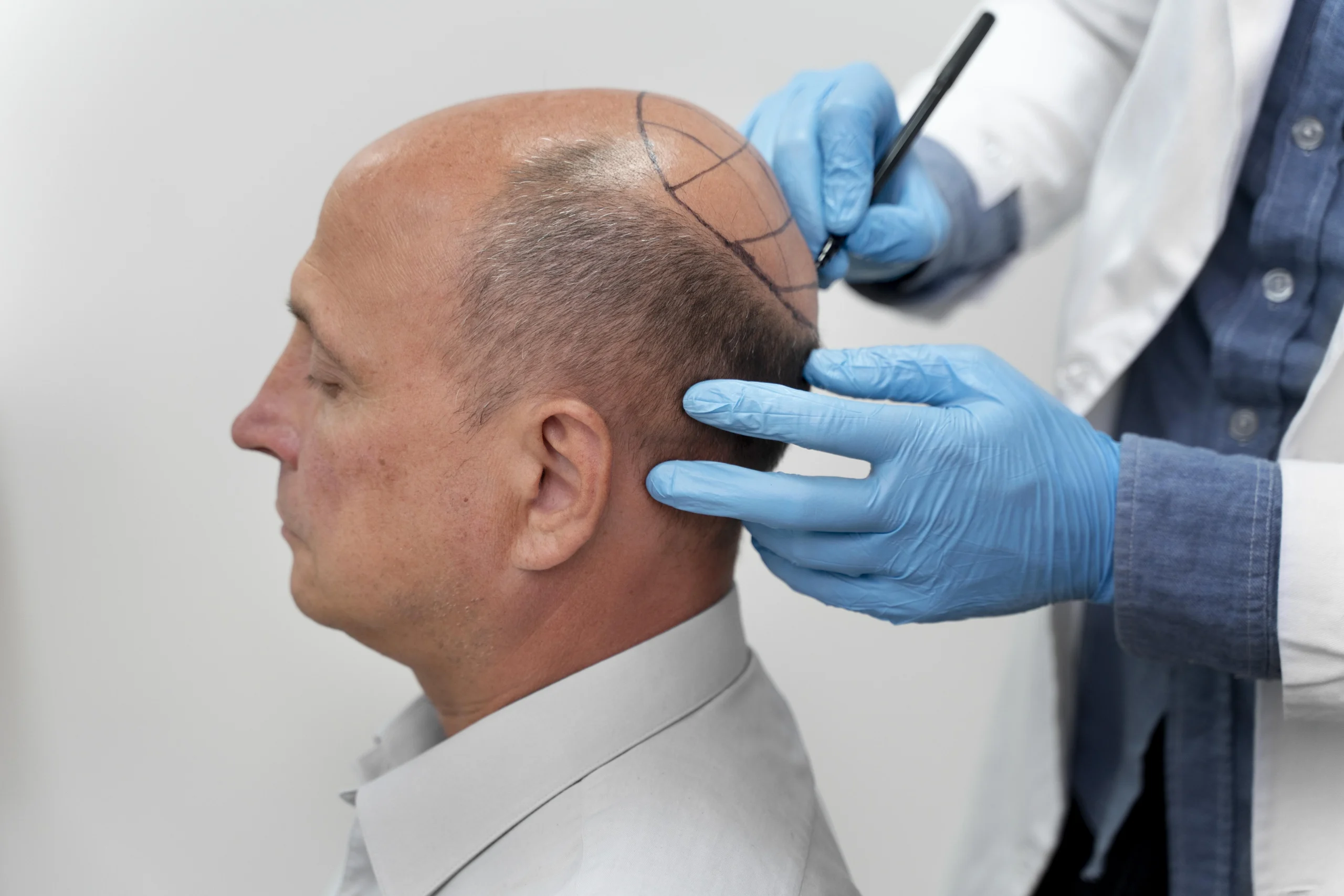
Real-Life Transformations That Inspire Hope
Behind every successful hair restoration journey is a story of patience, determination, and renewed self-belief. These stories remind others that change is possible and that confidence can be rebuilt.
Story 1: Regaining Confidence After Early Hair Loss
One of the most common experiences is early hair thinning in adulthood. Many individuals notice changes in their late twenties or early thirties, which can deeply impact self-image.In this type of journey, the person often begins avoiding cameras, social events, or even professional networking situations. Over time, this can affect career confidence and personal relationships.After undergoing a structured hair restoration journey, the transformation is not just physical. Hair regrowth helps restore a sense of normalcy. The individual begins to style their hair again, feels more comfortable in public, and slowly rebuilds the confidence that was once lost.
Story 2: A Journey from Self-Doubt to Self-Assurance
Another powerful transformation comes from individuals who have lived with hair loss for many years. Over time, they often adapt by changing hairstyles, wearing caps, or avoiding mirrors altogether.This emotional burden can quietly affect mental well-being. However, once they commit to a restoration process, patience becomes key. Hair gradually improves over months, and with it, self-doubt begins to fade.By the end of the journey, many describe a feeling of “starting over.” They reconnect with their personality, feel more energetic in social environments, and regain a sense of self-assurance they thought was gone permanently.
Story 3: Restoring Identity and Personal Image
For some, hair is closely tied to identity. Losing it can feel like losing a part of who they are. This is especially true for individuals who were once known for their distinct hairstyle or youthful appearance.After their restoration experience, they often describe the moment of seeing their improved reflection as deeply emotional. It is not just about appearance—it is about recognition.Friends and family often notice the change first, commenting on how refreshed and vibrant the person looks. This external validation reinforces internal confidence, helping the individual embrace life more fully.
What Makes These Success Stories So Powerful
The reason these stories resonate so strongly is because they reflect universal human emotions—self-esteem, confidence, and acceptance.
Confidence Restored
The most noticeable change after hair restoration is improved confidence. People begin to feel more comfortable in social settings, job interviews, and personal relationships.
Mental and Emotional Well-Being
Hair loss can sometimes lead to stress or self-consciousness. When individuals see visible improvement over time, it often reduces emotional strain and improves overall well-being.
Social Reconnection
Many people withdraw socially when they feel insecure about their appearance. Success stories often show the opposite outcome—people becoming more active, outgoing, and expressive after their transformation.
Common Factors Behind Successful Outcomes
While every journey is unique, successful hair restoration stories often share a few common elements that contribute to positive results.
Realistic Expectations
One of the most important factors is understanding that transformation takes time. Hair does not change overnight, and gradual progress is part of the journey. Those who stay patient tend to feel more satisfied with their results.
Consistency and Patience
Hair growth follows natural cycles, which means improvement appears in stages. Individuals who remain consistent with their routine and avoid rushing the process usually experience better emotional satisfaction.
Healthy Lifestyle Choices
Lifestyle habits can play a supportive role in hair health. Balanced nutrition, proper hydration, and stress management often complement the overall journey and help maintain long-term results.
Following Guidance and Care Instructions
Proper care during the recovery and growth phases is essential. Those who follow recommended guidelines carefully often report smoother progress and more natural-looking outcomes.
Lessons for Anyone Considering Hair Restoration
These inspiring stories offer valuable lessons for anyone thinking about restoring their hair. First and foremost, the journey is deeply personal. It is not just about appearance but about emotional healing and confidence rebuilding.It is also important to understand that results vary from person to person. Comparing progress with others can create unnecessary pressure. Instead, focusing on individual improvement leads to a healthier mindset.Another key lesson is patience. Hair restoration is a gradual transformation. Trusting the process and giving it time often leads to the most satisfying results.Lastly, emotional readiness plays a major role. When individuals begin their journey with realistic expectations and a positive mindset, they are more likely to feel fulfilled by the outcome.
Final Thoughts: A New Beginning
Hair restoration success stories continue to inspire thousands of people around the world who are searching for hope and transformation. These journeys show that hair loss does not define a person and that confidence can be rebuilt with time, care, and commitment.More than just physical change, these stories represent emotional renewal. They highlight how individuals rediscover their self-image, reconnect with their social lives, and regain the confidence to move forward in life.