eMatrix Treatment vs Laser Resurfacing: Key Differences
When it comes to improving skin texture, reducing scars, and addressing signs of aging, many people explore advanced cosmetic procedures that stimulate skin renewal. Among the most popular options available today is ematrix treatment, a technology designed to rejuvenate the skin with minimal downtime. However, laser resurfacing remains another widely recognized solution. Understanding the differences between these two procedures can help individuals make informed decisions based on their skin goals, recovery preferences, and expected results.
What Is eMatrix Treatment?
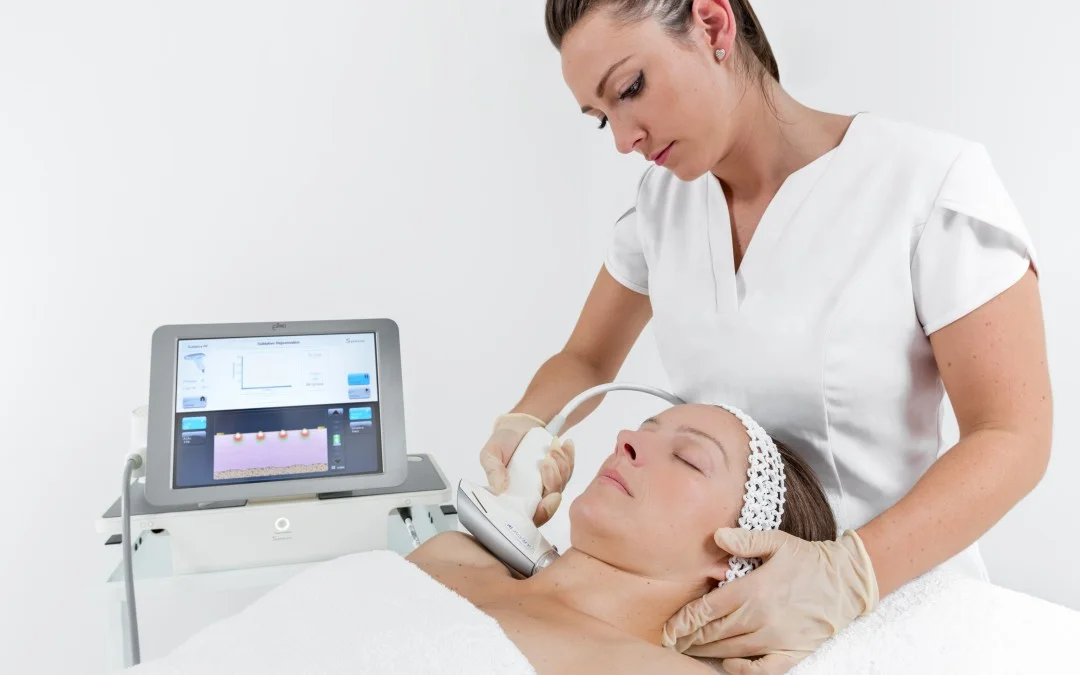
eMatrix is a fractional radiofrequency-based skin rejuvenation procedure that targets the deeper layers of the skin without relying on traditional laser energy. The treatment uses controlled radiofrequency energy to create microscopic zones of thermal stimulation beneath the skin’s surface.This process encourages the production of collagen and elastin, two essential proteins responsible for maintaining firm, youthful-looking skin. Because the outer layer of the skin remains largely intact, recovery tends to be gentler compared to some resurfacing procedures.
Common Concerns Addressed by eMatrix
eMatrix is often used to improve:
- Acne scars
- Fine lines and wrinkles
- Uneven skin texture
- Enlarged pores
- Mild skin laxity
- Sun-damaged skin
- Pigmentation irregularities
Its versatility makes it suitable for individuals seeking gradual, natural-looking skin enhancement.
What Is Laser Resurfacing?
Laser resurfacing is a skin renewal procedure that uses concentrated light energy to remove or heat targeted layers of skin. Depending on the type of laser used, treatment can range from mild and non-invasive to more intensive resurfacing.Laser technologies are generally categorized into:
Ablative Lasers
These lasers remove the outer layer of skin while heating the underlying tissue. This approach promotes significant skin renewal but often requires a longer recovery period.
Non-Ablative Lasers
Non-ablative lasers target deeper skin layers without removing the surface. They stimulate collagen production while offering shorter downtime compared to ablative options.Laser resurfacing is commonly used for:
- Deep wrinkles
- Severe sun damage
- Skin discoloration
- Surgical scars
- Acne scars
- Uneven skin tone
How the Technologies Differ
Although both treatments aim to rejuvenate the skin, they achieve results through entirely different technologies.
eMatrix Uses Radiofrequency Energy
eMatrix relies on fractional radiofrequency energy rather than light. The energy penetrates the skin and creates controlled heating zones that stimulate natural healing and collagen remodeling.Because radiofrequency is not dependent on skin pigment, it can often be used on a wider range of skin tones.
Laser Resurfacing Uses Light Energy
Laser resurfacing uses focused beams of light to either remove skin layers or heat tissue beneath the surface. The effectiveness of laser energy can be influenced by skin color, skin sensitivity, and the specific laser technology selected.This difference in energy delivery is one of the most significant distinctions between the two treatments.
Treatment Depth and Skin Remodeling
eMatrix Focuses on Collagen Stimulation
The primary goal of eMatrix is long-term collagen remodeling. The treatment gradually improves skin quality over time as the body's natural repair processes create new collagen fibers.Results often develop progressively during the weeks and months following treatment.
Laser Resurfacing Can Produce More Immediate Changes
Certain laser resurfacing procedures create visible skin renewal by removing damaged surface layers. This can lead to faster initial improvements in texture and pigmentation.However, deeper collagen stimulation also continues long after the procedure, contributing to ongoing enhancement.
Downtime and Recovery
Recovery is often a major factor when choosing between skin rejuvenation treatments.
Recovery After eMatrix
Many individuals experience:
- Mild redness
- Temporary swelling
- Slight roughness
- Short recovery periods
Most daily activities can usually be resumed relatively quickly, making it appealing for those with busy schedules.
Recovery After Laser Resurfacing
Recovery varies depending on the laser type.Non-ablative procedures typically involve mild redness and swelling. Ablative treatments, however, may require a more extended healing period due to the removal of surface skin layers.Individuals considering laser resurfacing should understand that recovery intensity can vary significantly from one laser system to another.
Safety Across Different Skin Types
eMatrix and Diverse Skin Tones
One of the biggest advantages of eMatrix is its compatibility with various skin types and tones. Since radiofrequency energy is not primarily attracted to skin pigment, the risk of pigmentation-related complications may be lower.This makes it an attractive option for individuals with medium to darker skin tones.
Laser Considerations for Skin Tone
Some laser technologies interact with melanin, the pigment responsible for skin color. As a result, certain lasers may require additional caution for individuals with darker complexions.Advancements in laser technology have improved safety across diverse skin tones, but treatment selection remains important.
Effectiveness for Acne Scars
eMatrix for Acne Scar Improvement
eMatrix is frequently chosen for acne scar treatment because of its ability to stimulate collagen deep within the skin. Over time, depressed scars can appear smoother and less noticeable.The treatment is especially effective for mild to moderate atrophic acne scars.
Laser Resurfacing for Deep Scars
Laser resurfacing can also improve acne scars and may be preferred for more severe textural irregularities. Some laser technologies provide aggressive resurfacing that significantly reduces scar visibility.The ideal choice often depends on scar depth, skin type, and desired recovery time.
Comfort During Treatment
Comfort levels vary from person to person, but both procedures generally involve manageable sensations.
What to Expect With eMatrix
Patients often describe the feeling as a series of warm pinpricks or brief pulses of heat. The procedure is designed to deliver energy precisely while minimizing discomfort.
What to Expect With Laser Resurfacing
Laser treatments can range from mild warmth to stronger sensations depending on the intensity and type of laser being used.Comfort measures are commonly incorporated to enhance the overall treatment experience.
Which Option Produces Better Results?
There is no universal answer because the ideal treatment depends on individual skin concerns.eMatrix may be a strong choice for:
- Mild to moderate acne scars
- Early signs of aging
- Enlarged pores
- Uneven skin texture
- Individuals seeking less downtime
Laser resurfacing may be suitable for:
- Advanced sun damage
- Deep wrinkles
- Significant skin texture concerns
- More dramatic resurfacing goals
The best outcomes often come from selecting the procedure that aligns with a person's skin condition and expectations.
Conclusion
Both eMatrix and laser resurfacing are effective skin rejuvenation options, but they differ significantly in the way they treat the skin. eMatrix relies on fractional radiofrequency energy to stimulate collagen production with relatively minimal downtime, while laser resurfacing uses light energy to renew and remodel the skin through various levels of intensity.Understanding these key differences allows individuals to evaluate which approach better suits their skin type, recovery preferences, and aesthetic goals. Whether the priority is smoother texture, reduced scarring, or a more youthful appearance, both treatments offer valuable pathways toward healthier, revitalized skin.