Chemical Peel for Acne: Does It Really Work?
Acne is one of the most common skin concerns worldwide, affecting teenagers and adults alike. Many people search for effective treatments that can improve skin texture, reduce breakouts, and fade acne marks. Among the popular skincare solutions, chemical peel dubai has gained attention as a professional exfoliation method that promises clearer and smoother skin. But the real question is: does a chemical peel truly work for acne, or is it just another skincare trend?This article explores everything you need to know about chemical peels for acne, how they work, their benefits, possible side effects, and whether they are worth considering for acne-prone skin.
What Is a Chemical Peel for Acne?
A chemical peel is a skin-resurfacing treatment that uses a specially formulated chemical solution to exfoliate the top layers of the skin. For acne-prone skin, the goal is not just exfoliation but also unclogging pores, reducing oil buildup, and improving overall skin clarity.When applied to the skin, the solution causes controlled exfoliation, allowing damaged outer layers to peel away naturally over time. This process reveals fresher, smoother, and less congested skin underneath.Chemical peels can target different levels of the skin depending on their strength—light, medium, or deep. For acne treatment, lighter and medium peels are commonly used because they are effective yet gentle enough for repeated sessions.
How Does a Chemical Peel Work on Acne?
Acne forms when pores become clogged with oil, dead skin cells, and bacteria. Chemical peels help address this problem in several ways:
Deep Exfoliation of Dead Skin Cells
One of the main causes of acne is the buildup of dead skin cells. A chemical peel dissolves this layer, preventing clogged pores and reducing the formation of new breakouts.
Oil Control
Excess sebum production can worsen acne. Certain peeling agents help regulate oil levels, making the skin less greasy and less prone to pimples.
Unclogging Pores
By clearing debris from pores, chemical peels reduce blackheads and whiteheads, leading to a smoother skin texture.
Skin Renewal Process
After peeling, the skin enters a regeneration phase where new cells replace the damaged ones, improving overall skin health and appearance.
Types of Chemical Peels for Acne
Different types of chemical peels are used depending on the severity of acne and skin sensitivity.
Alpha Hydroxy Acids (AHA) Peels
AHA peels are water-soluble acids that work on the skin’s surface. They are ideal for mild acne and help improve skin tone and texture. They also support gentle exfoliation, making them suitable for sensitive skin types.
Beta Hydroxy Acids (BHA) Peels
BHA peels, especially salicylic acid, are oil-soluble. This means they can penetrate deep into pores, making them highly effective for acne-prone and oily skin. They help reduce inflammation and prevent future breakouts.
Trichloroacetic Acid (TCA) Peels
TCA peels are stronger and work on deeper layers of the skin. They are often used for more stubborn acne scars and pigmentation issues. However, they require careful handling and longer recovery time.
Benefits of Chemical Peels for Acne
Chemical peels offer several advantages for individuals struggling with acne:
Reduces Active Breakouts
By unclogging pores and reducing bacteria buildup, chemical peels help control active acne flare-ups.
Fades Acne Scars
Over time, peels help lighten post-acne marks and pigmentation, improving overall skin tone.
Improves Skin Texture
Rough and uneven skin becomes smoother after repeated sessions.
Controls Oil Production
Regular exfoliation helps balance sebum levels, reducing the likelihood of future breakouts.
Enhances Absorption of Skincare Products
After a peel, skincare products penetrate more effectively, improving their overall results.
Does Chemical Peel Really Work for Acne?
The effectiveness of chemical peels largely depends on the type of acne and consistency of treatment. For mild to moderate acne, chemical peels can be highly effective in reducing breakouts and improving skin clarity.They are especially beneficial for:
- Whiteheads and blackheads
- Mild inflammatory acne
- Post-acne pigmentation
- Early acne scarring
However, for severe cystic acne, chemical peels alone may not be sufficient and are often combined with other skincare approaches.Results are not instant. Most people notice gradual improvement over multiple sessions as the skin continues to renew itself.
What to Expect During a Chemical Peel
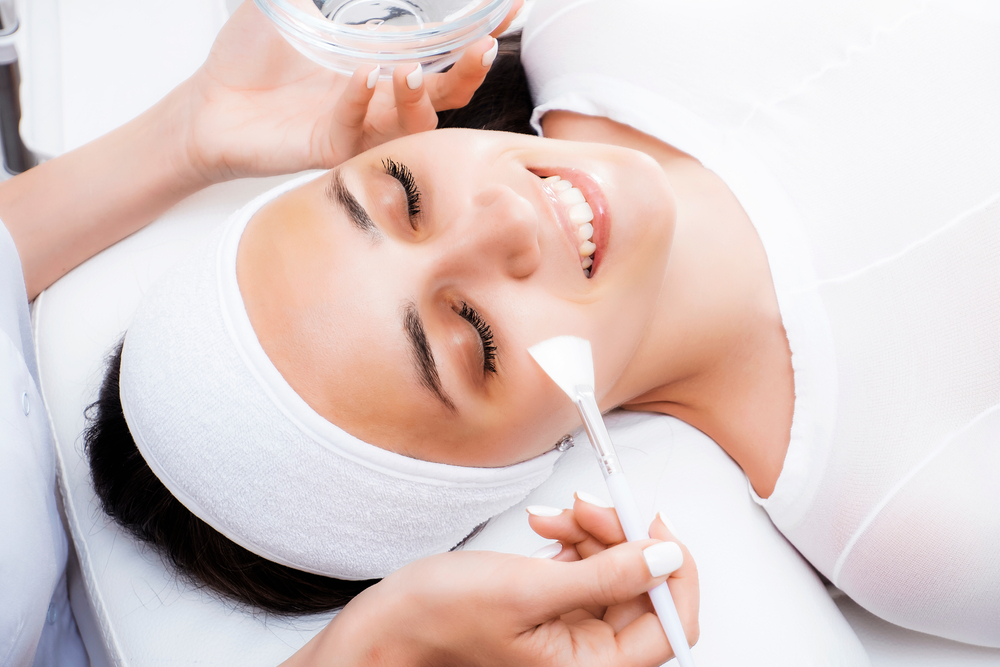
A chemical peel session typically involves a few simple steps. First, the skin is cleansed thoroughly to remove any dirt or oil. Then, the chemical solution is applied evenly across the face. A tingling or mild stinging sensation may occur, which usually lasts only a few minutes.After a specific duration, the solution is neutralized or removed. Over the next few days, the skin may start to peel lightly depending on the strength of the treatment.During this time, the skin may appear slightly red or sensitive, which is a normal part of the healing process.
Possible Side Effects
While chemical peels are generally safe when done correctly, some temporary side effects may occur:
- Redness and irritation
- Mild swelling
- Skin dryness or flaking
- Temporary sensitivity to sunlight
These effects usually subside within a few days. Proper aftercare is essential to avoid complications.
Who Should Avoid Chemical Peels?
Chemical peels may not be suitable for everyone. Individuals with the following conditions should be cautious:
- Extremely sensitive skin
- Active skin infections
- Open wounds or severe irritation
- Certain skin conditions like eczema or rosacea
A patch test is often recommended before undergoing a full treatment.
Aftercare Tips for Better Results
Proper aftercare plays a major role in achieving the best results from a chemical peel:
Keep Skin Hydrated
Use a gentle moisturizer to support skin healing and prevent dryness.
Avoid Sun Exposure
Freshly peeled skin is sensitive, so protecting it from direct sunlight is essential.
Do Not Pick the Skin
Let the peeling process happen naturally to avoid scarring or irritation.
Use Gentle Skincare Products
Avoid harsh scrubs or strong active ingredients for a few days after treatment.
Conclusion
Chemical peels have proven to be an effective option for managing acne and improving overall skin quality. By targeting clogged pores, excess oil, and uneven skin texture, they help create a clearer and healthier complexion over time. While results vary depending on skin type and acne severity, consistent treatment and proper care can lead to noticeable improvements. For those seeking a structured approach to acne management, chemical peels remain a trusted and widely used skincare solution.