Braces vs Aligners Which Option Is Healthier
Choosing between traditional orthodontic systems and modern clear alternatives has become more common as people look for effective ways to improve their smile. When exploring options like Braces in Dubai, many individuals also compare them with aligners to understand which method supports better long-term oral health. Both solutions aim to correct alignment issues, but their approach, comfort level, and impact on dental hygiene can differ significantly depending on the individual’s needs and lifestyle.
Understanding Braces and Aligners
Orthodontic treatment generally falls into two main categories: fixed systems and removable systems. Braces are fixed appliances attached to the teeth, designed to gradually guide them into proper alignment using consistent pressure. Aligners, on the other hand, are clear trays that can be removed during eating and cleaning, offering a more flexible experience. While both are effective, their structure influences how easily patients adapt to daily routines, especially when maintaining oral hygiene or managing food habits. The decision often depends on the complexity of alignment issues and how disciplined a person can be with wearing removable devices consistently.
How Braces Work for Oral Health
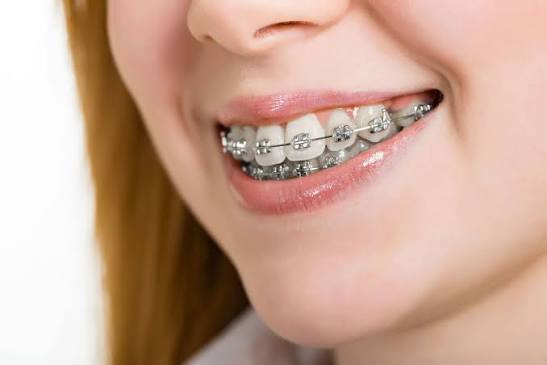
Braces function by applying steady, controlled force to teeth over time, helping correct misalignment, overcrowding, and bite issues. This constant pressure allows precise movements that are often necessary for complex orthodontic cases. Since braces remain fixed, they ensure continuous progress without relying on patient compliance, which can be an advantage for long-term stability. However, maintaining oral hygiene requires extra attention because food particles can get trapped around brackets and wires. Regular cleaning routines and proper brushing techniques become essential to prevent plaque buildup and gum concerns while the teeth gradually shift into healthier positions.
How Aligners Work in Modern Orthodontics
Aligners use a series of custom-made trays that gradually shift teeth into alignment. Each set is worn for a specific period before moving to the next stage, allowing controlled progression without wires or brackets. Their removable nature makes eating and cleaning more convenient, which often improves daily comfort. However, success depends heavily on consistent use, as skipping wear time can delay results. Aligners are often preferred for mild to moderate alignment issues, offering a discreet appearance that fits well into social and professional environments while still improving overall dental positioning and function.
Health Factors to Consider
When comparing both systems, oral hygiene, gum health, treatment duration, and correction accuracy all play a major role in determining suitability. Fixed systems often provide stronger control over complex dental movements, while removable options offer easier cleaning and fewer dietary restrictions. Comfort is another important aspect, as some individuals may experience temporary irritation with fixed appliances, while others may find aligners inconvenient due to discipline requirements. In some cases, orthodontists recommend a hybrid approach depending on dental structure and alignment severity. It is also important to consider how each method supports long-term stability after treatment completion, as retention plays a crucial role in preventing teeth from shifting back to their original position. During evaluation, many patients learn that Braces treatment remains one of the most reliable approaches for achieving precise bite correction and long-lasting alignment, especially in cases that require detailed tooth movement or structural adjustment.
Daily Comfort and Lifestyle Impact
Lifestyle compatibility often influences the final decision between braces and aligners. Fixed systems require adjustments in eating habits, as certain hard or sticky foods should be avoided to prevent damage. Oral hygiene routines also become more detailed, requiring careful brushing and flossing around wires. Aligners, however, allow more flexibility since they can be removed during meals, making food choices less restricted. Despite this advantage, they require discipline, as not wearing them for the recommended hours can slow down progress. Social confidence is another factor, with aligners offering a more discreet appearance, while modern braces have also become smaller and less noticeable than traditional designs.
Long-Term Oral Health Outcomes
Both orthodontic solutions aim to improve long-term dental health by correcting misalignment, improving bite function, and reducing uneven wear on teeth. Proper alignment can also make cleaning more effective, lowering the risk of cavities and gum disease. Fixed appliances are often preferred for cases requiring significant correction, while aligners work well for patients seeking gradual improvements with aesthetic discretion. Retention after treatment is equally important in both methods, as retainers help maintain results and prevent relapse. Ultimately, long-term success depends not only on the chosen system but also on patient cooperation, oral hygiene habits, and follow-up care consistency.
Final Thoughts
Selecting between braces and aligners involves understanding individual dental needs, lifestyle preferences, and treatment complexity. Both options can deliver effective results when used appropriately, but their impact on comfort and maintenance differs from person to person. Consulting a qualified orthodontic plan helps determine the most suitable path toward a healthier smile.Many patients exploring advanced orthodontic care options often consider guidance from Dynamic Clinic when making informed decisions about their dental alignment journey.